
Zero to One · Mar 2026 · 8 min read
I Built a Production SaaS in 32 Days. Claude Wrote Our Story.
Four questions at midnight. 243,000 lines of code. $400. One person. Then I asked Claude to write what it saw from the other side.
Product · Design · Engineering
Built with craft. Shipped with taste. Compounded over a decade.
Spotlight
AI Org · 5 min read
Orbyt Collective is the machine that runs Orbyt: 12 officer seats, none of them people, held together by guards that check the org the way tests check code. The org is not managed. It is versioned, audited, and promoted on evidence. Here is the machine, part by part.
Zero to One · Jun 2026 · 9 min read
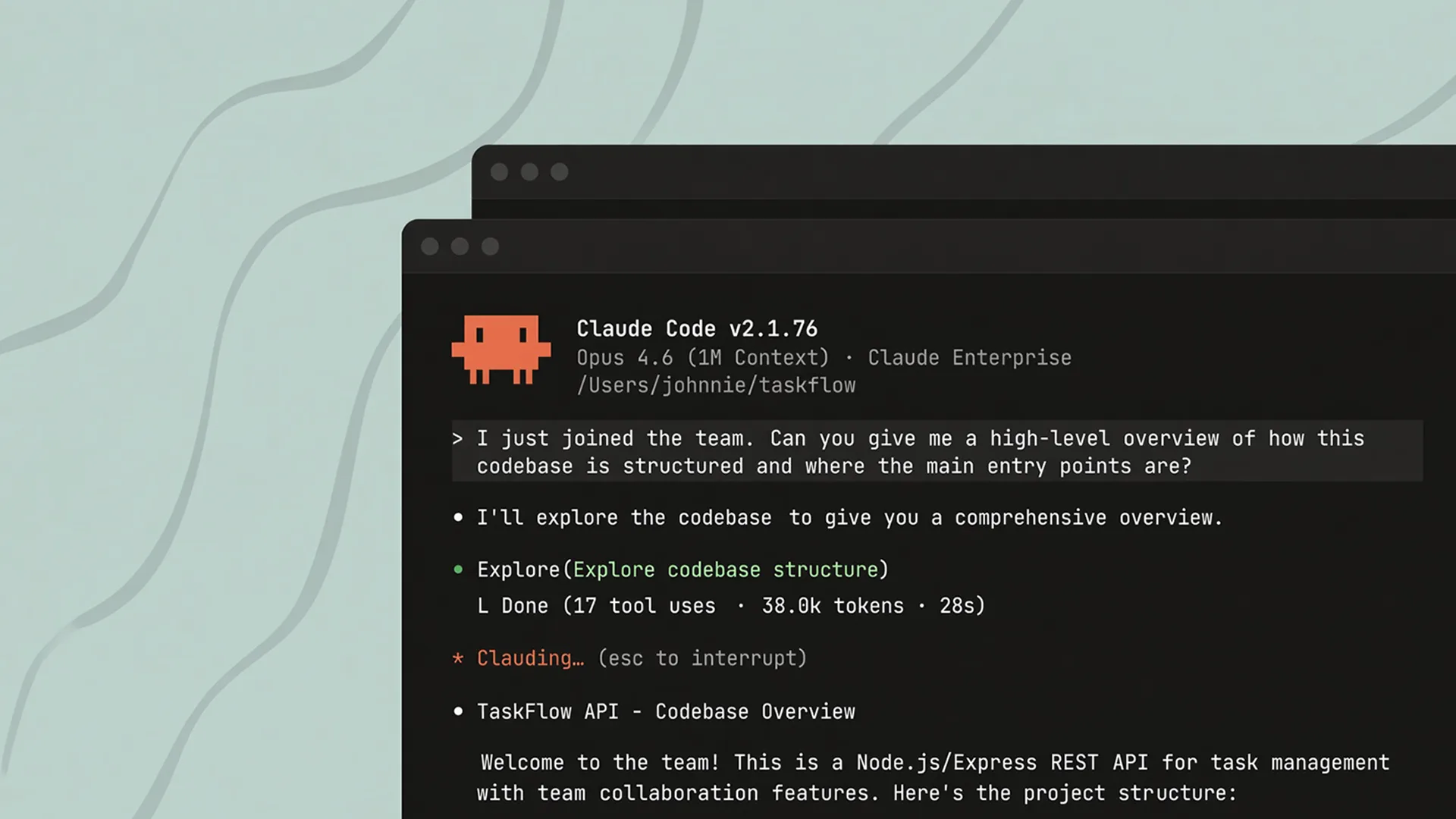
A stack of Claude Code windows, one operator, a production SaaS. By day three the agents were never the constraint. I was.

Zero to One · Apr 2026 · 9 min read
AI collapsed the cost of writing code. It did not collapse the cost of knowing what to build. 20 years of scar tissue is the longest fulcrum in the room.
Zero to One · Mar 2026 · 8 min read
Four questions at midnight. 243,000 lines of code. $400. One person. Then I asked Claude to write what it saw from the other side.
Zero to One · Oct 2025 · 15 min read
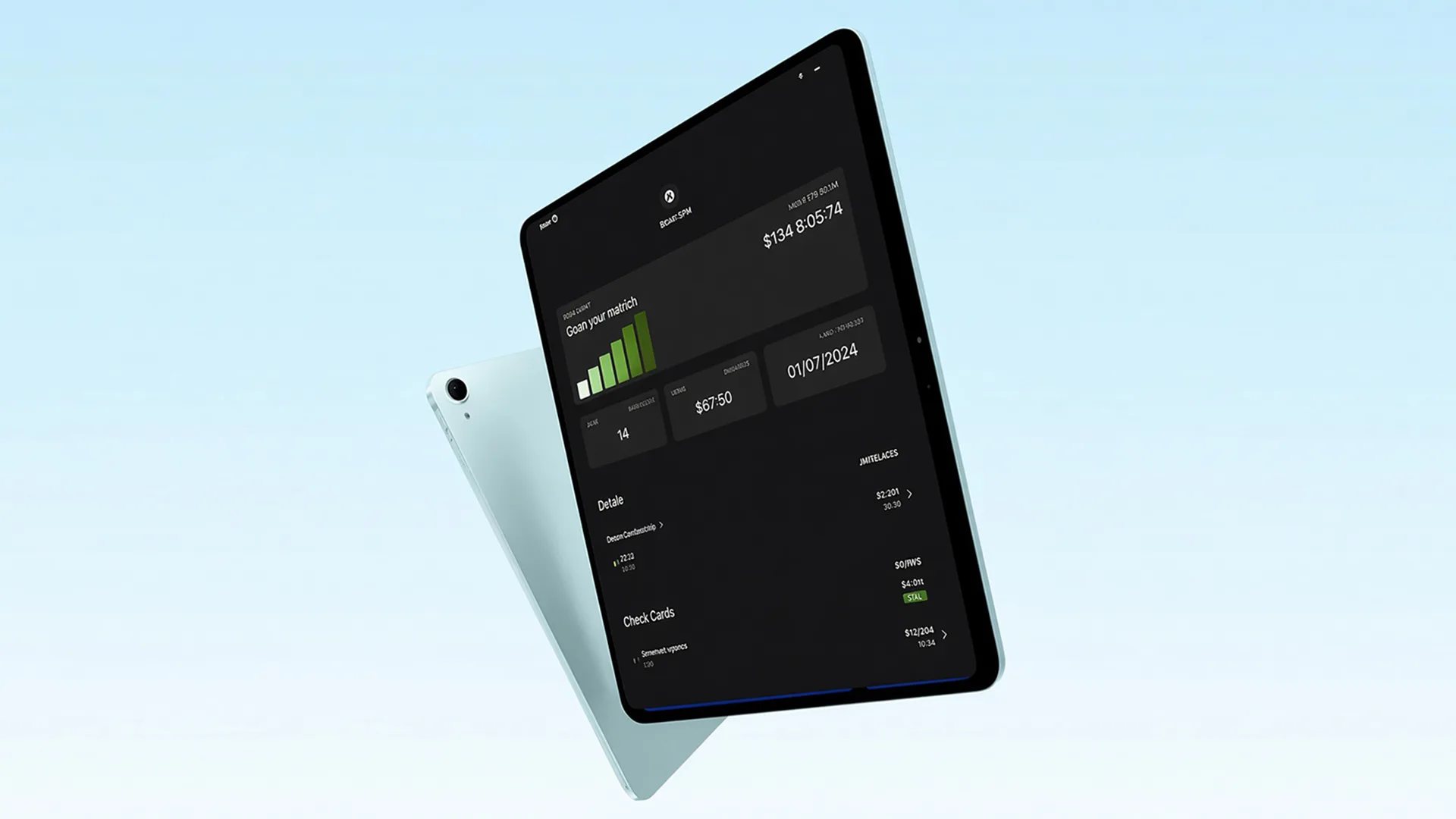
At Norhart, we reimagined capital as propulsion. The $70M SEC framework evolved into a growth engine.
Zero to One · Sep 2025 · 12 min read
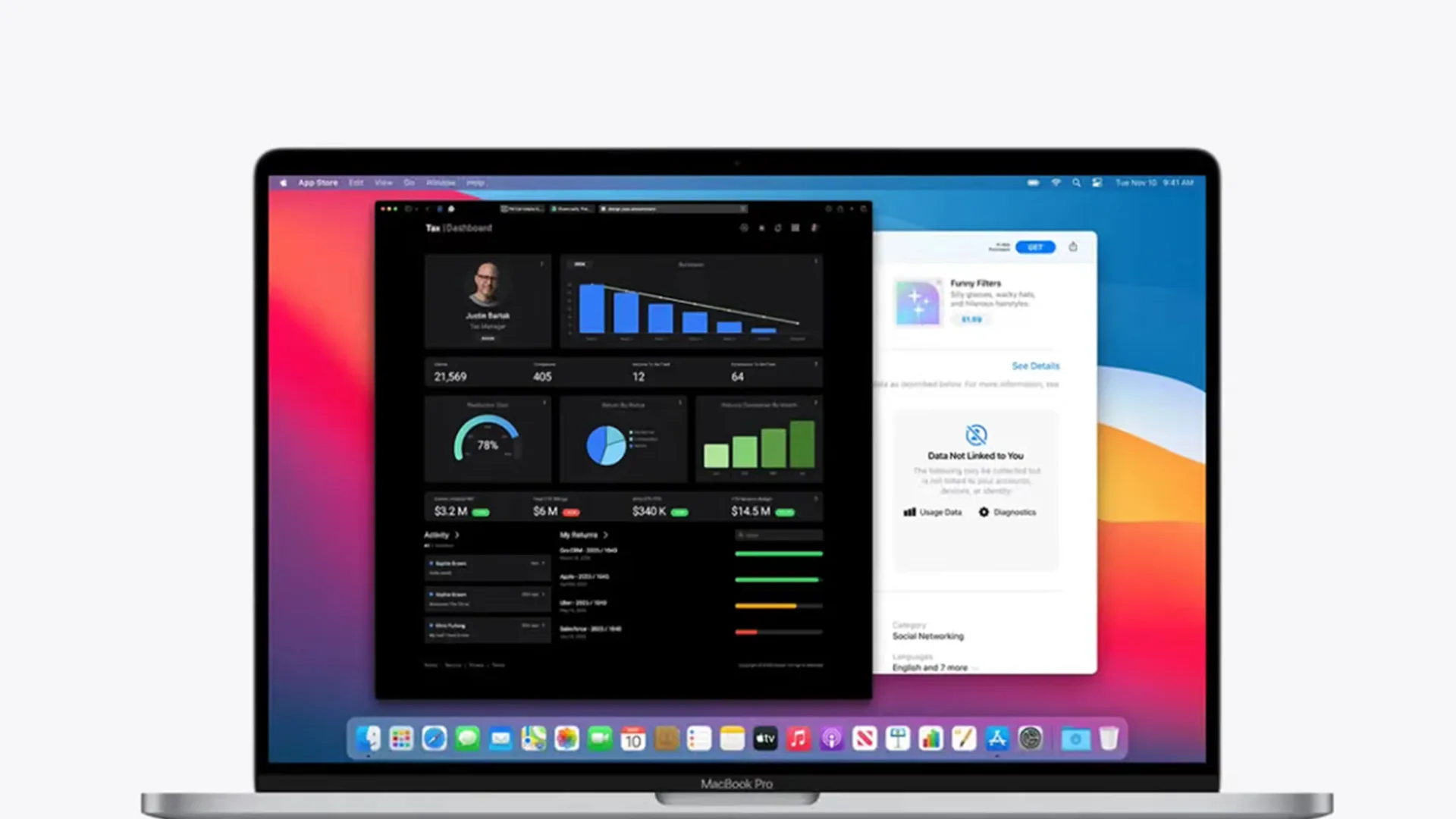
At Taxa, we reimagined professional tax from first principles. In under a year, that vision secured $113M in funding.

Zero to One · Aug 2025 · 8 min read
WWDC 2007. Apple Store enterprise demos worldwide, from London to Tokyo. Consumer-grade clarity. Enterprise-grade trust. The standard stuck.
AI Org · Sep 2026 · 5 min read
The safe way to let a system rewrite its own artifacts is to make the healer the dumbest component in the stack: a compiled pattern with one degree of freedom, never a model. My pipeline heals figures in queued posts weekly, flags what needs a human, and carries a never-heal list. That list is the actual design.

AI Org · Sep 2026 · 6 min read
Orbyt One is the unified account and billing layer across every Orbyt product: one account, one payment method, one Stripe integration underneath. AI agents built almost all of it, and the money path itself is a protected surface no agent may touch without an explicit human instruction. Both halves of that sentence are the architecture.

AI Org · Sep 2026 · 6 min read
Every engineer has run a linter with the fix flag. That is self-healing code in its smallest form: a program that finds a defect and writes the correction. Scale the idea to the whole repository and the build stops only reporting drift. It repairs what it can and opens a pull request for the rest.
AI Org · Sep 2026 · 5 min read
A swarm of agents is emergent, anonymous, and spectacular in a demo. A legion is chartered, capped, attributed, and accountable, and it is what actually ships. I run my company as a legion: named seats, written charters, gates on every lane. The Romans beat bigger hordes with smaller numbers for four centuries. Formation beats enthusiasm.
AI Org · Sep 2026 · 5 min read
The Matrix already gave us the honest picture of agent failure: not malice, replication without a gate. Spawning agents is now trivially cheap. My largest single workflow accumulated 298 of them, and what kept it a fleet instead of an infestation was five boring properties: a cap, a charter, guards, attribution, and a kill switch.

AI Org · Sep 2026 · 5 min read
Self-healing sounds like the system got smart. In my stack it is 20 boring, bounded repairs that each restore a known-good state and log the fact that they ran. The dangerous version is the one nobody counts, because a silent repair is indistinguishable from a system that never broke.

AI · Aug 2026 · 9 min read
AI safety matters because the best formal work in the field says advanced AI cannot be fully explained, predicted, or controlled, and because safety failures already shut products down. A safeguard bypass took my builder model dark for 19 days. I run an AI-native company. That is exactly why I take Roman Yampolskiy seriously.
AI Org · Jul 2026 · 13 min read
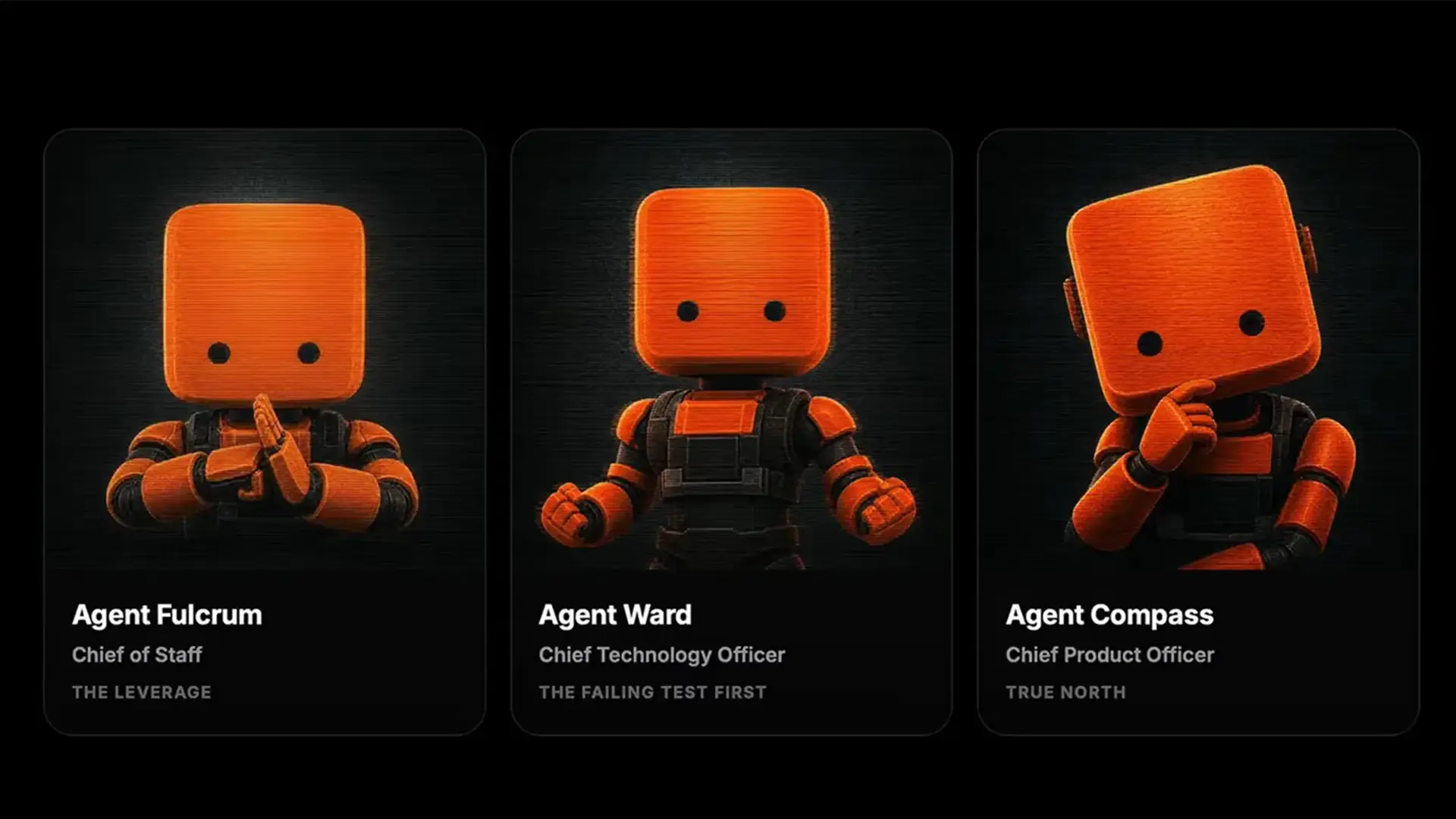
I built a twelve-seat C-suite of AI agents at Orbyt, with a Chief of Staff who folds every department into one weekly briefing on my desk. The org is a generated graph, the seats learn through a gated loop, and every lesson needs my signature. Here is how it runs and where it breaks.

AI · Jul 2026 · 7 min read
Per-seat pricing is not dead, but in AI-native categories it is on borrowed time. It still works for tool SaaS where a human logs in to do the work. When the software does the work, the seat stops measuring value, and usage and outcome pricing take over. Here is the test for when your category crosses the line.
AI · Jul 2026 · 7 min read
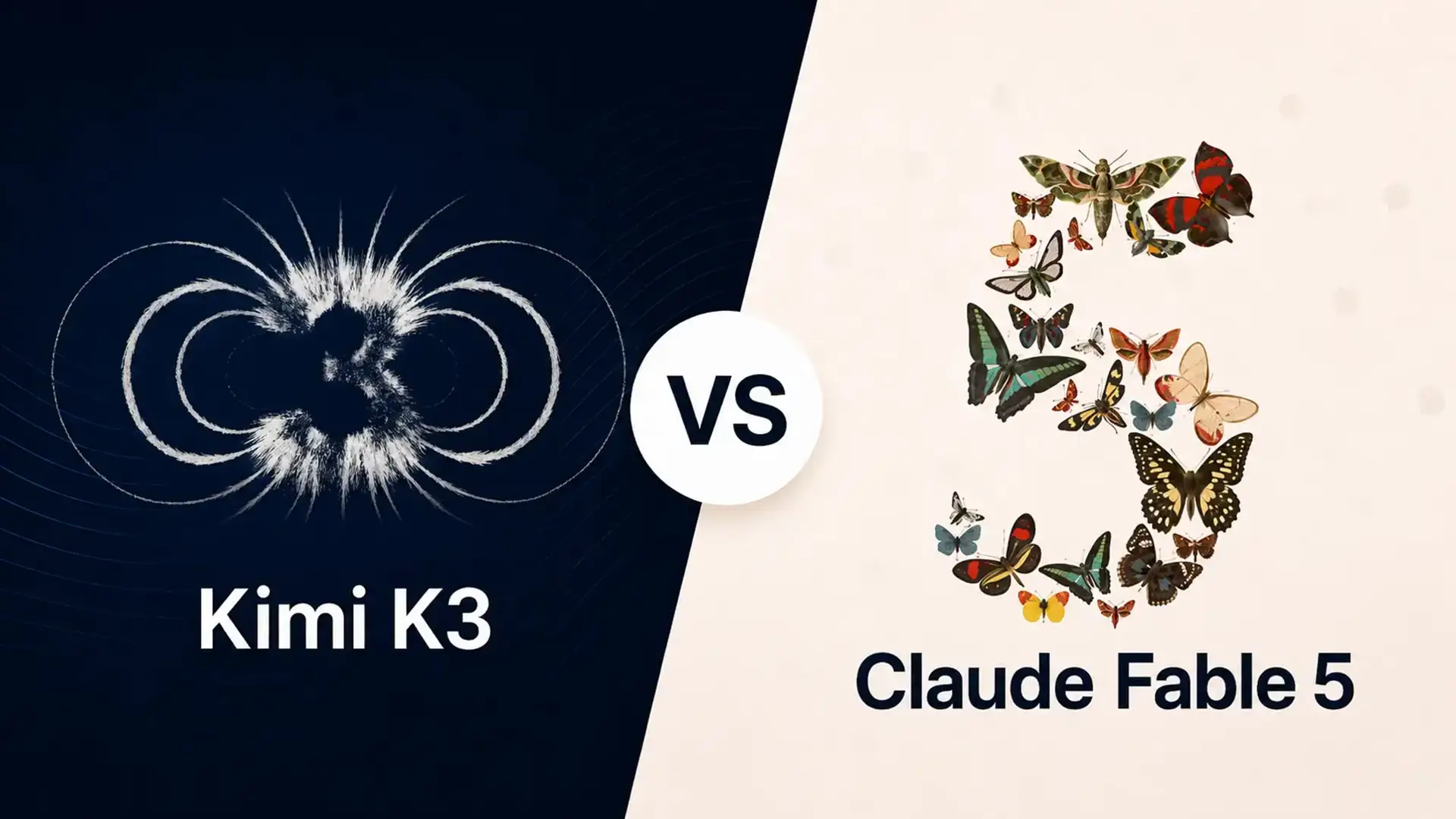
Kimi K3 landed July 16: a 2.8 trillion parameter open-weight model at frontier level for 70% less than Fable 5. It does not beat Fable overall. It changes the market anyway, because an open frontier cannot be export-controlled away. I watched Fable vanish for 19 days. Here is what K3 means if you build with AI.
AI Org · Jul 2026 · 9 min read
I run Orbyt with a fleet of Claude Code agents instead of a team. Managing agents means you specify instead of motivate, write specs and tests instead of holding 1:1s, and verify everything. Clarity, delegation, taste, and review transfer. Motivation, politics, morale, and mentorship do not. Here is what that costs and gains.
AI · Jul 2026 · 8 min read
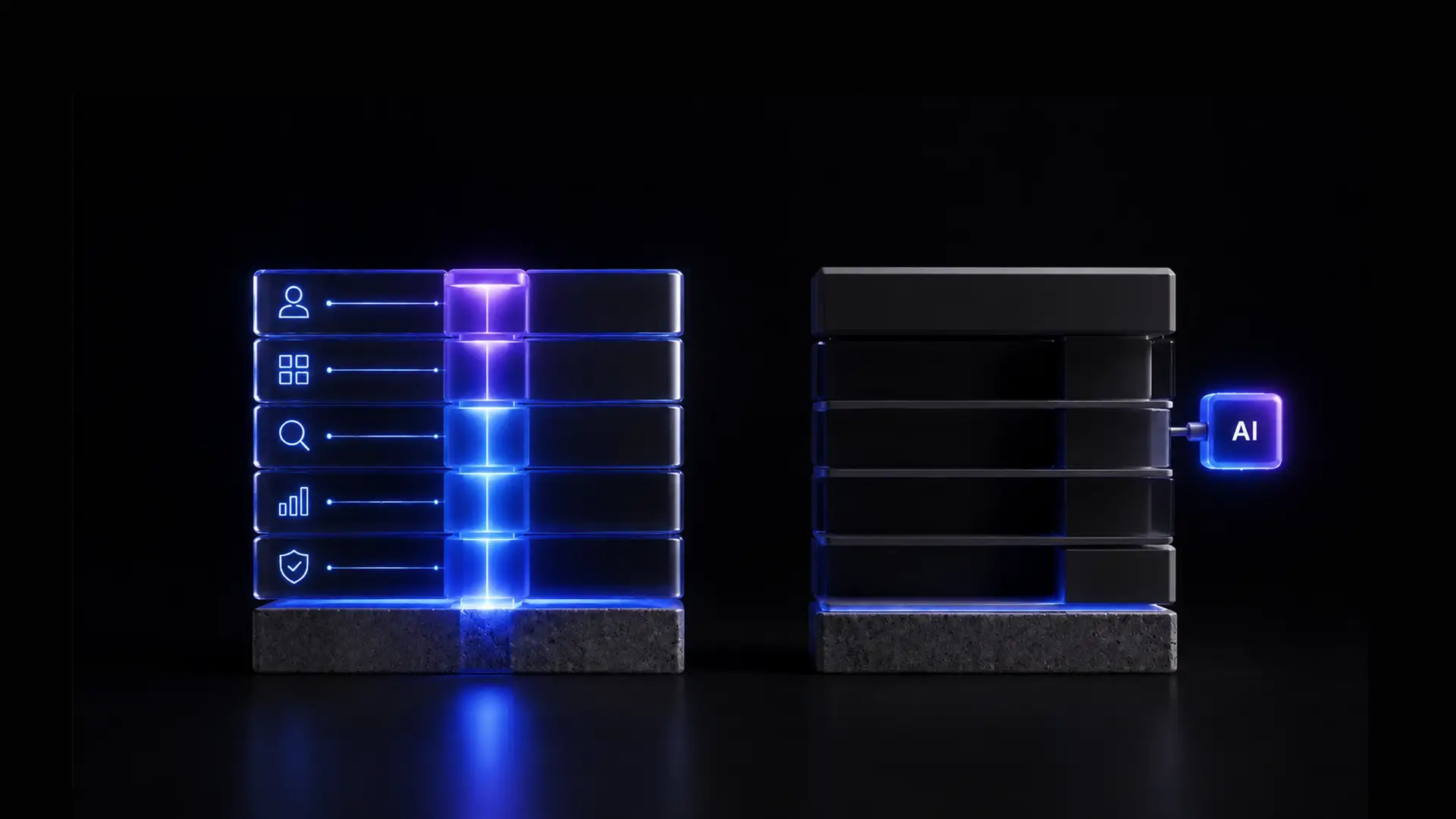
Most companies claim AI-native. Almost none are. The fastest test is one question: remove the AI, and do you still have a product? If yes, you bolted it on. Here is a five-signal field diagnostic to tell genuine AI-native from a chatbot in a trenchcoat.

AI Transformation · Jun 2026 · 7 min read
The industries everyone calls too slow for AI, tax, fintech, healthcare, proptech, insurance, are built to win it. Governance, auditability, and data discipline are exactly what production AI demands. Move fast and break things loses where the stakes are real. Governed AI compounds. Trust is the product.
AI · Jun 2026 · 9 min read
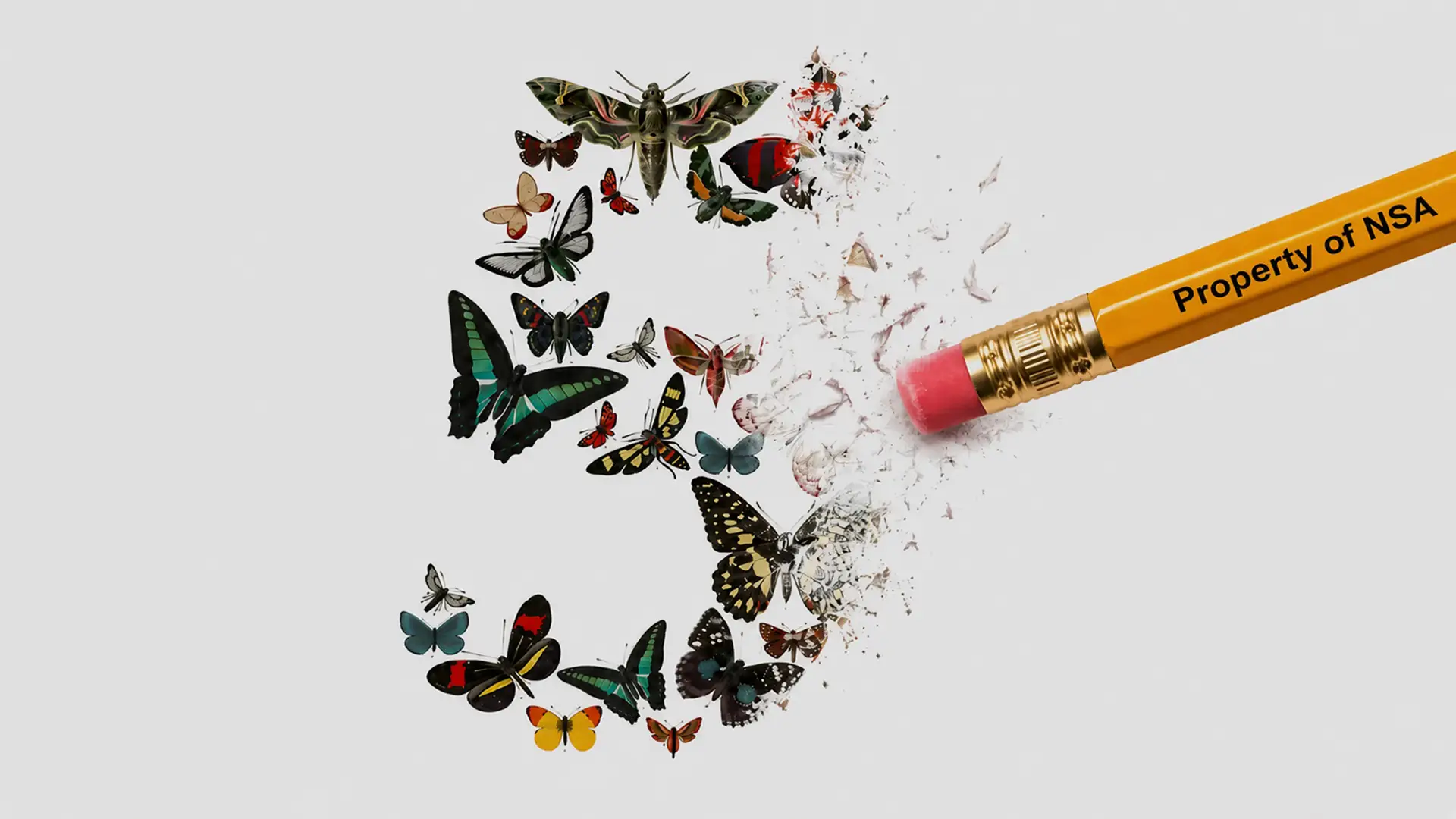
On June 12, 2026, the US government export-controlled Claude Fable 5 and Mythos 5 out of existence overnight, killing access for every customer mid-prompt, citing national security. I switched back to Opus 4.8 the same day and kept shipping Orbyt. Frontier model access is now a political risk. The harness made it a footnote.
AI · Jun 2026 · 9 min read
Ten days, one codebase, both models. Opus 4.8 shipped nine days of features. Fable 5 wrote 34% less per response, thought more often, and still cost 69% more.
AI Transformation · May 2026 · 13 min read
After 20 years and 6 C-suite roles, the worst leadership interaction I've seen. A CTO flew me in for an AI native role then couldn't spare eight minutes.
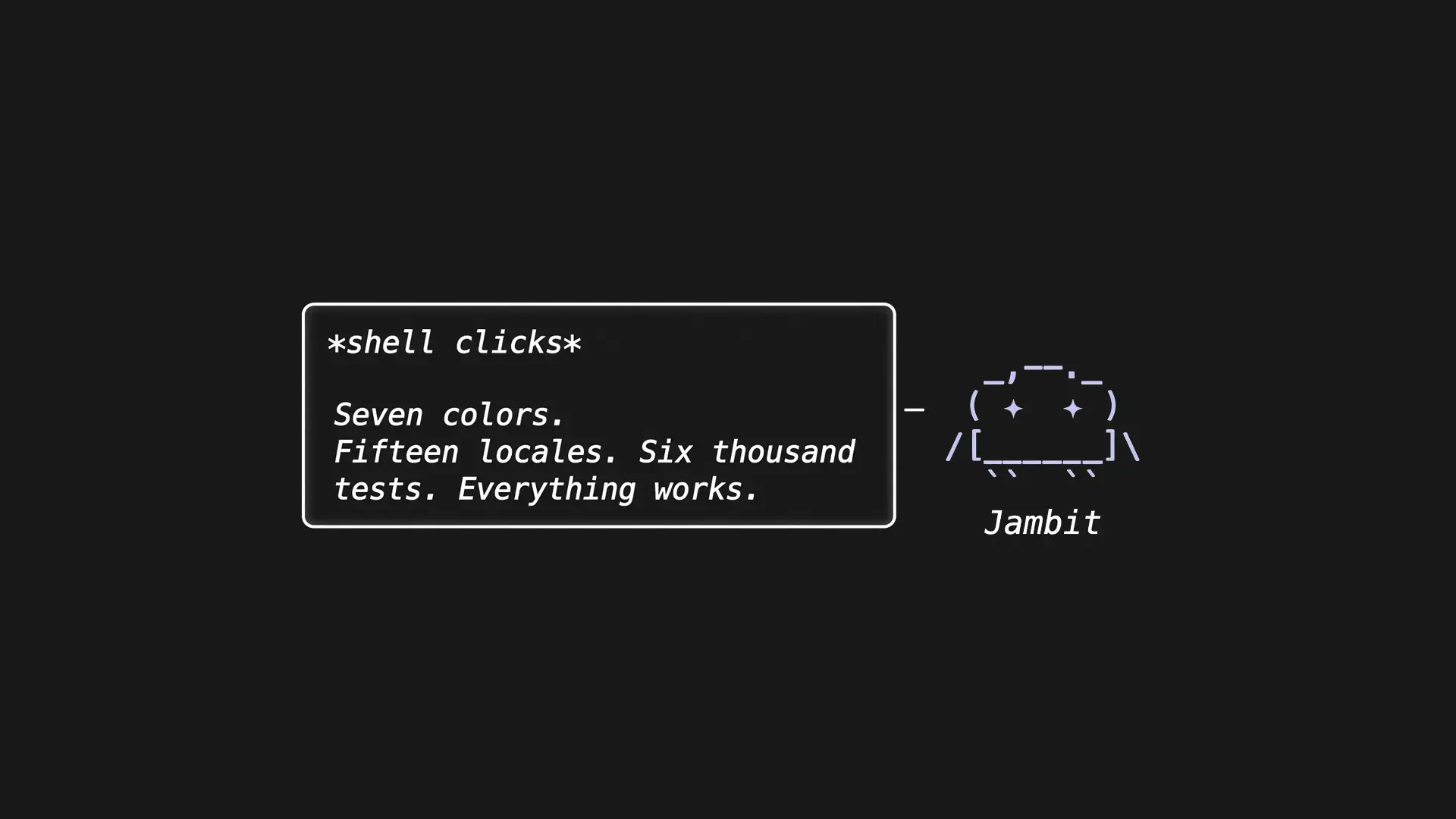
AI Product · Apr 2026 · 5 min read
Claude Buddy was not an April Fools joke. Anthropic shipped a terminal pet inside Claude Code, developers named it and grew attached, then it vanished eight days later with no notice. The lesson: delight is the moat most AI companies keep ignoring, not a consumer-app luxury.

AI · Mar 2026 · 4 min read
AI governance is not what slows your product down. It is what competitors cannot copy. In regulated markets, governed AI ships faster because compliance is designed in, not retrofitted, and it sells easier because enterprise buyers trust auditable, explainable, overridable systems. Governance is the moat, not the brake.

AI · Mar 2026 · 4 min read
Most enterprise AI pilots never reach production because they succeed by avoiding reality. They run on clean curated data, zero integration, deferred governance, and hand-picked users. Production has none of that protection. The pilot never tested anything real, so the hardest work has not started when the budget runs out.

AI Org · Mar 2026 · 11 min read
Bolt-on AI adds features. AI-native rebuilds the foundation. When intelligence is the substrate, the entire product adapts to the user.

AI Product · Mar 2026 · 5 min read
Human-in-the-loop is not oversight when a person rubber-stamps 200 AI outputs an hour in four seconds each. That is an alibi, not a safeguard. Real human control is an architecture: confidence-tiered routing, explanation as the primary interface, one-click overrides, and overrides fed back as training signal.

AI Transformation · Mar 2026 · 5 min read
Bolt-on AI ships fast, then compounds invisible debt. By the fifth feature, your team manages conflicts instead of building. Bolting AI onto an existing product creates four hidden debts: data mismatch, UX incoherence, governance fragmentation, and integration brittleness. AI-native architecture is the only way to avoid the inevitable 12-month rebuild.

AI Transformation · Mar 2026 · 4 min read
Most AI roadmaps fail because they ship features instead of systems. When AI is layered onto legacy surfaces instead of architected into the operating core, adoption stalls and value fragments. The roadmap looks full. The impact stays thin. That is a failure of coherence, not ambition. Build a system, not a list.

AI Product · Feb 2026 · 5 min read
The best AI products disappear. No chatbot, no "powered by AI" badge, no prompt box. They make the decisions a user would have made, at the moment they would have made them, without asking. The intelligence lives in what does not happen. Calm software wins because it reduces cognitive load instead of adding it.

AI Product · Feb 2026 · 3 min read
Taste becomes the only competitive advantage. Within eighteen months, every team has the same AI models, APIs, and infrastructure. Capability converges to commodity. When that happens, the experience is the sole differentiator, and the experience is shaped by taste. At Taxa, that judgment secured $113M against incumbents with more data.

AI Product · Feb 2026 · 5 min read
Most AI products are capable. That is precisely the problem. Taste is what turns capability into something people trust.
AI Org · Feb 2026 · 5 min read
AI adoption is not a product decision. It is organizational. Bolting AI onto features changes nothing. Reorganizing around intelligence changes everything.
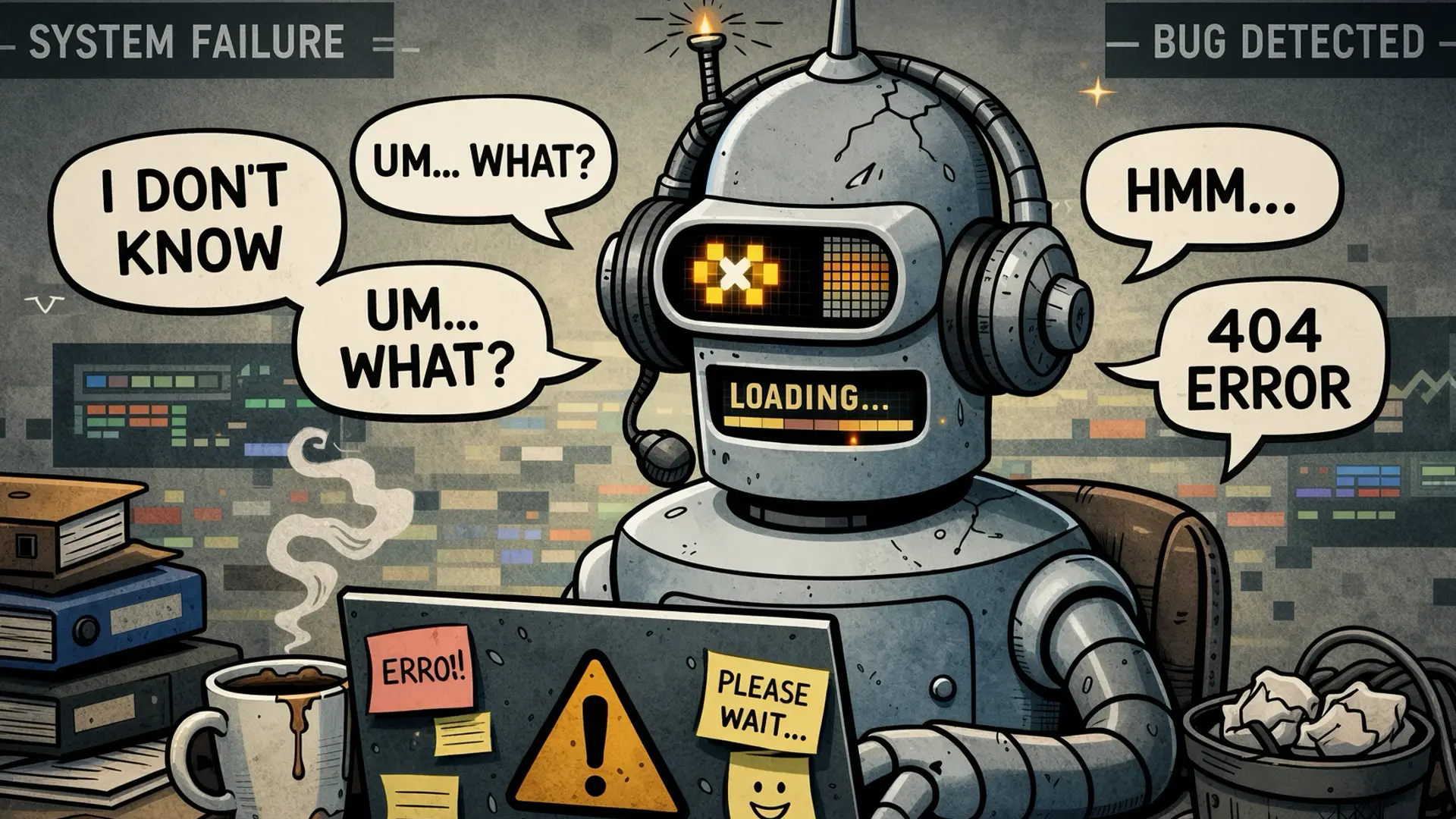
AI Product · Feb 2026 · 2 min read
Most AI products are bad software with a chatbot bolted on. AI-native does not mean adding a chat panel or summary button. It means rebuilding the system so intelligence changes the work itself. You remove steps, move complexity into the system, and increase control instead of decorating the UI.

AI · Jul 2025 · 3 min read
Invisible UX is the next era of AI: intelligence woven so cleanly into a product that it never announces itself. It arrives at the right moment, does the work, and disappears. The winners will not show off the most AI. They will make AI feel like an invisible layer of competence.
AI · Jul 2025 · 3 min read
No, AI cannot replace human creativity. AI does pattern work. It remixes and regenerates what already exists. Creativity is the human act of turning experience into meaning: intuition under pressure, taste formed over years, and the courage to make something that might fail. AI generates possibilities. Humans create intent.
Strategy · Aug 2026 · 8 min read
We renamed Orbyt Jobs to Orbyt Labs on August 20, 2026. Two of our products help you get a job. The third is an experiment in not needing one. A company named after one product could not hold that contradiction, and a lab can.

Strategy · Aug 2026 · 5 min read
In 2023, wrapper was an insult: a thin app over someone else's model, doomed when the model ate it. In 2026 the application layer captured the value while frontier models commoditized into swappable engines. I replaced the model under Orbyt twice, once by government order, and nothing broke. The moat was never the model. It was everything wrapped around it.

Strategy · Aug 2026 · 9 min read
Your moat is now an anchor when the scale, codebase, and process that protected you become the reason you cannot rebuild AI-native. The challenger starts on the foundation you cannot afford to switch to. Incumbents do not lose to AI startups on talent. They lose because their switching cost is the moat itself.
Strategy · Aug 2026 · 6 min read
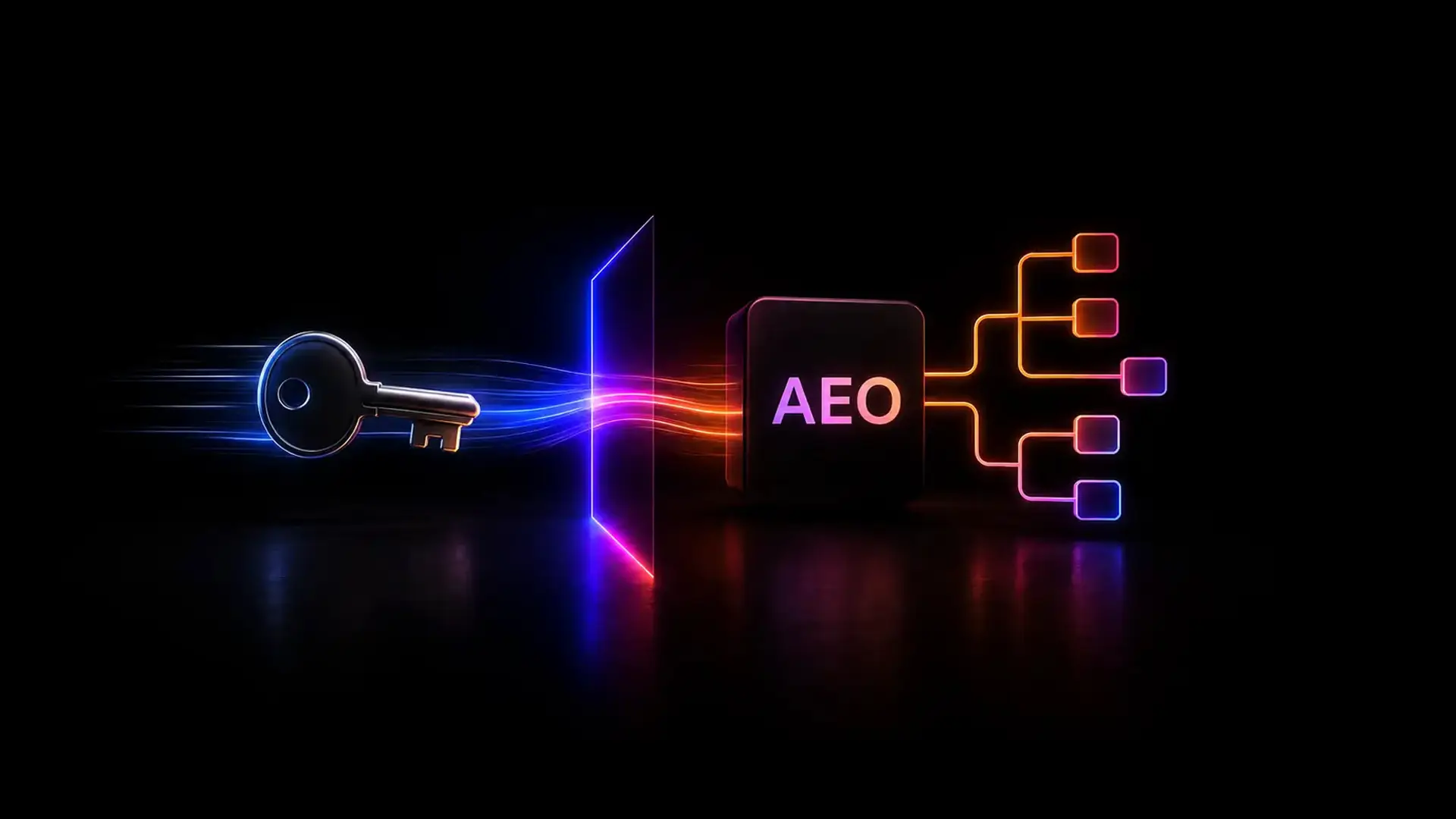
No answer engine publishes how it picks citations, and most AEO statistics come from vendors selling AEO services. That does not make the work optional. It makes it an experiment. The honest version: instrument first, invest only in what survives a ranking change, and measure citations against pipeline instead of rankings.

Strategy · Aug 2026 · 6 min read
Model access is now geopolitical. I watched Washington erase Fable 5 for 19 days, then watched Beijing ship Kimi K3, an open-weight frontier model no directive can recall. Your AI stack needs a foreign policy: sourcing across jurisdictions, qualified fallbacks, and architecture that treats every model as swappable. Boards that skip this are betting the product on politics.

Strategy · Aug 2026 · 9 min read
Build vs buy is not dead. The calculus inverted. You used to buy because building was slow and expensive. AI collapsed both. The old buy-for-speed default is gone. The new rule is to build what compounds your edge and rent only true commodity. Orbyt proves the new build cost is days and a few hundred dollars.
Strategy · Jul 2026 · 6 min read
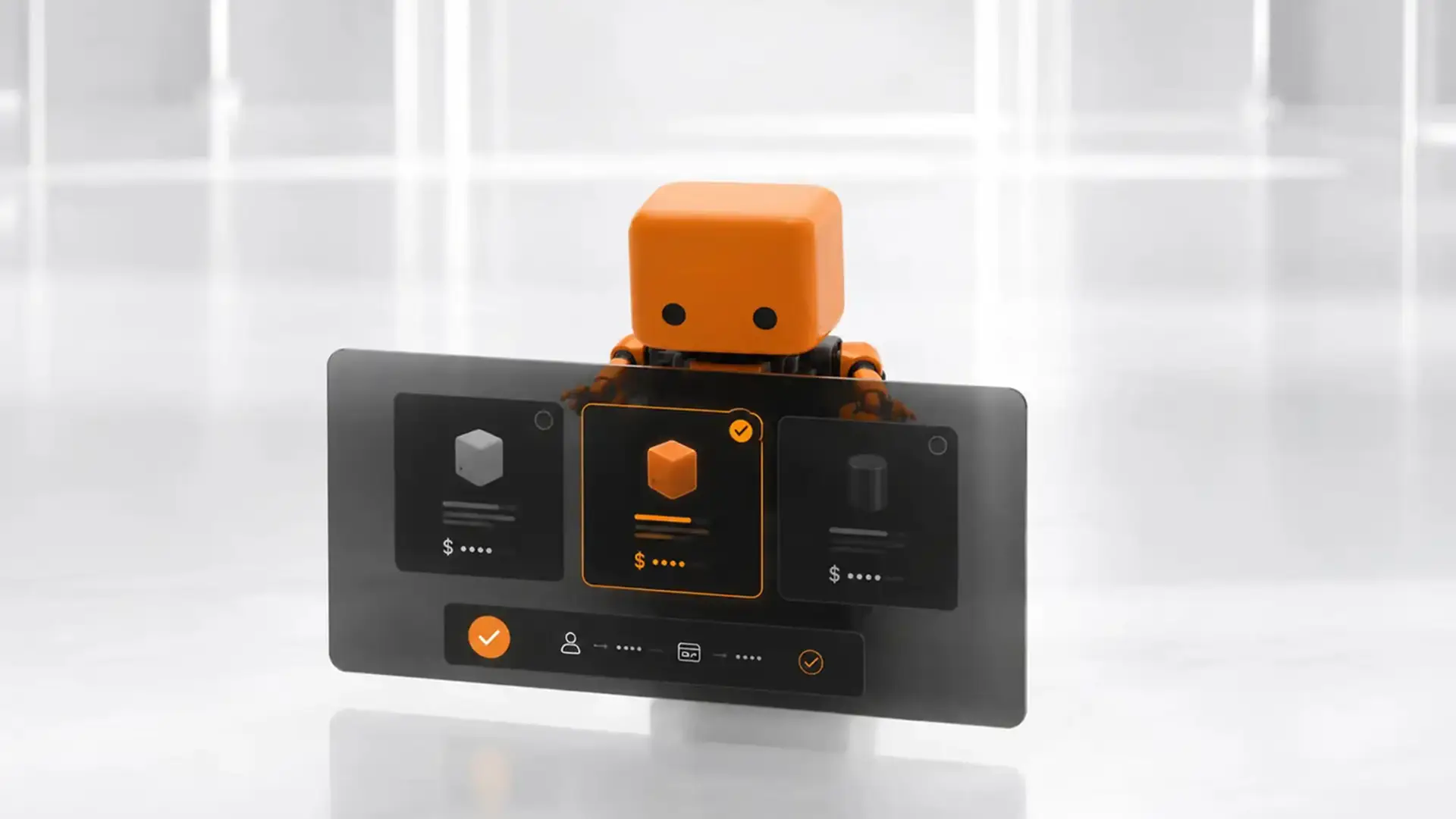
AI agents are becoming buyers. Gartner expects 25% of enterprise software purchases to involve agent mediation by the end of 2026, and zero-click commerce is moving discovery, comparison, and checkout inside the AI conversation. GEO got you quoted. The next step is being chosen: machine-readable products, agent-friendly pricing, and APIs a buyer's bot can act on.
Strategy · Jul 2026 · 7 min read
When the cost of building collapses, velocity stops being a nice-to-have and becomes a structural moat. Speed compounds. Faster shipping means faster learning loops, and learning loops widen the lead like interest. Orbyt shipped 243,000 lines in 32 days and never slowed down. The mechanism, the math, and why iteration speed is now defensibility.

Strategy · Jun 2026 · 8 min read
Tiny AI-native teams now out-ship incumbents. One operator with agentic tooling builds what used to take fifty people. Orbyt is the proof: production SaaS, solo, 32 days, about $400. Incumbents cannot match the speed, because their bottleneck is headcount and process, not talent.
Strategy · Jun 2026 · 15 min read
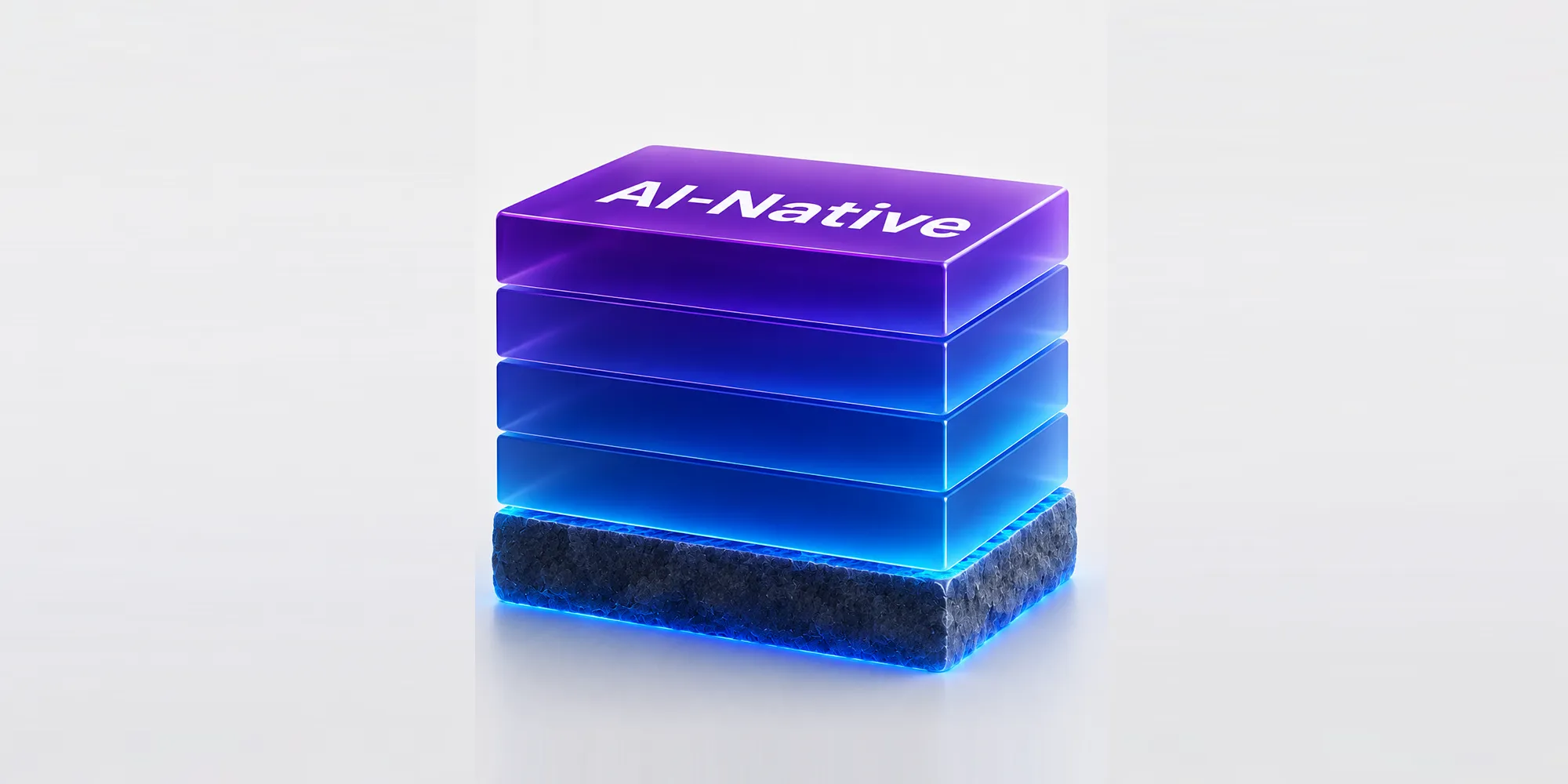
Every company claims AI-native. Almost none are. The few that build intelligence as the foundation, not a bolt-on, own a moat the rest cannot cross.

Strategy · Feb 2026 · 3 min read
Most startups don't die from lack of ambition. They die from noise. In the early days the real threat isn't competition, it's confusion. Confused teams ship clutter, clutter creates hesitation, and hesitation kills momentum. Clarity beats completeness, it drives word of mouth, and it is your go to market strategy.

Strategy · Sep 2025 · 3 min read
A startup does not need a design system on day one. It needs taste. Systemizing too soon mistakes consistency for quality, and a lifeless system only scales lifelessness. Start with a point of view, uncompromising decisions, and one flow crafted until it feels inevitable. Build something undeniably right first, then standardize it.

Strategy · Jul 2025 · 3 min read
Taste decides whether an early stage product wins. Zero to one is not a tech race or a feature contest. Speed is table stakes because everyone moves fast. The real differentiator is judgment: knowing what to build, what to cut, and what to walk away from while everything is still ambiguous.

Strategy · Jul 2025 · 4 min read
Sustainable growth is a design problem, not a system problem. You can buy attention and hack acquisition, but if a product feels clunky or transactional, people leave. Design is the first signal of trust and the deepest growth lever. Behind every metric is a human, and every human carries an experience.

Strategy · Jul 2025 · 3 min read
Design is not what happens after you decide what to build. It is how you decide if something is worth building at all. Design is discovery. It puts the idea in your hands early, makes confusion obvious, and turns uncertainty into something you can test. Bring it in last and you pay for everything you never saw.

Product · Sep 2026 · 6 min read
A build loop with a 9 out of 10 quality gate and a backlog that never shrinks has no fixed point. How Offer City got built, and what bounded it.

Product · Sep 2026 · 6 min read
Generation made features cheap to produce, so a line that names a feature names something a competitor copies this weekend. The lines that hold name a commitment you will defend.
Product · Jul 2026 · 8 min read
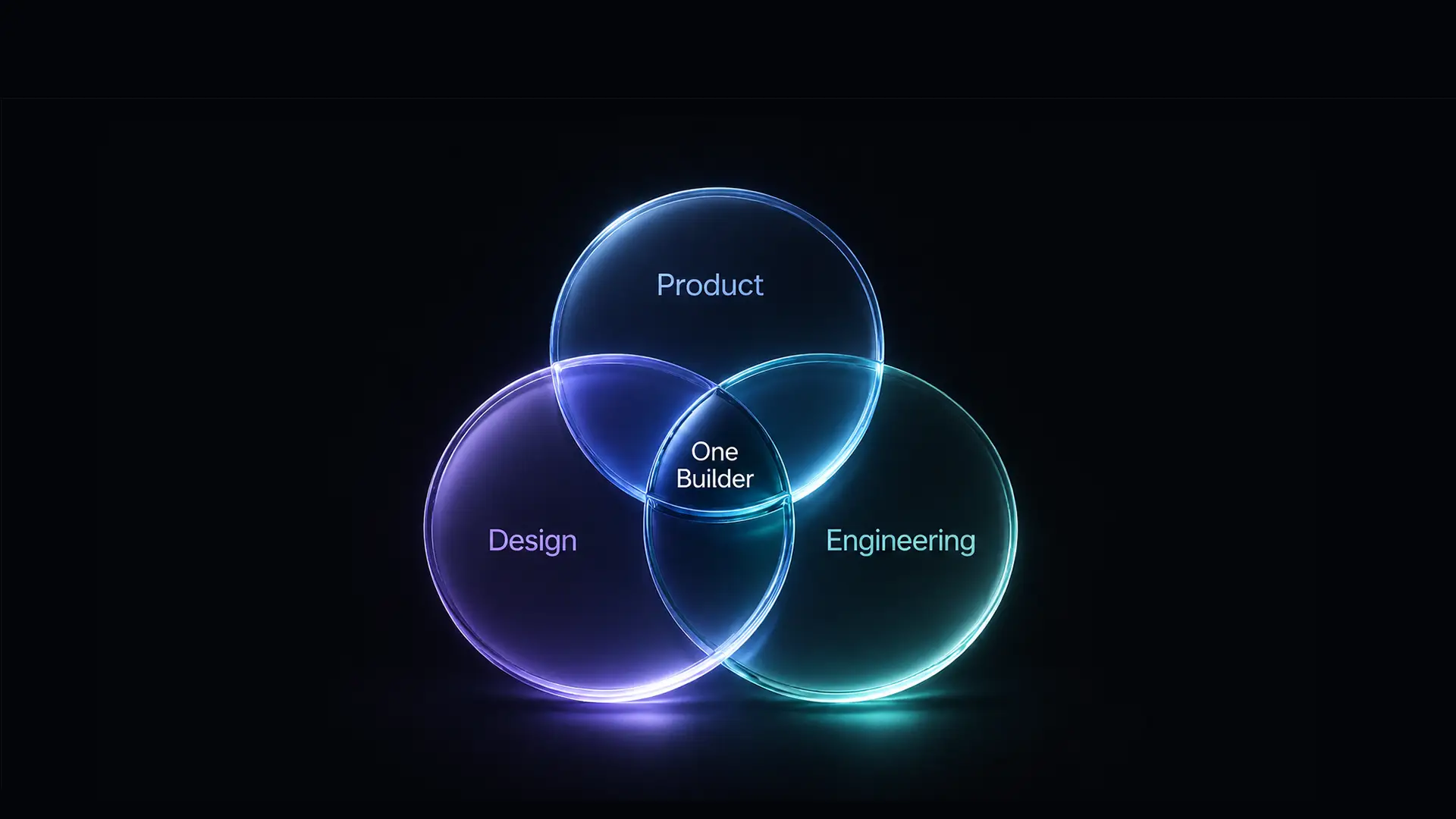
The AI-native builder holds product intent, design judgment, and engineering execution in one head and ships without handoffs. AI deleted the execution cost that forced specialization into three departments. The result is fewer translation losses, more coherent products, and a role where taste matters more, not less.

Product · Jun 2026 · 7 min read
AI drove the cost of competent to near zero, so average is now free, and free supply is worthless supply. The market is splitting into two states: best-in-class and free. The middle is being deleted. Best-in-class is the only defensible position left, and it is the only product worth shipping.

Product · Feb 2026 · 4 min read
In regulated workflows, users want certainty, not delight. Trust becomes the product, built from three things: clarity so they know what is happening, control so they can intervene when it matters, and proof so the system can explain itself. As AI accelerates, that trust becomes the interface itself.

Product · Feb 2026 · 3 min read
Small teams build better products because trust replaces process. A handful of people who share one taste and one bar move faster than any org chart. Less coordination, less ceremony, more making. Every decision has a real owner. The magic is chemistry, not headcount. Staff for care, then protect their focus.

Product · Nov 2025 · 4 min read
Product design becomes sexy when you rebuild neglected categories, not when you decorate them. CRM, ERP, tax, and PropTech were never boring. They were starving for design. Fix the experience and you create relief, give people time back, and turn compliance into confidence. That transformation is what makes design irresistible.
Product · Sep 2025 · 3 min read
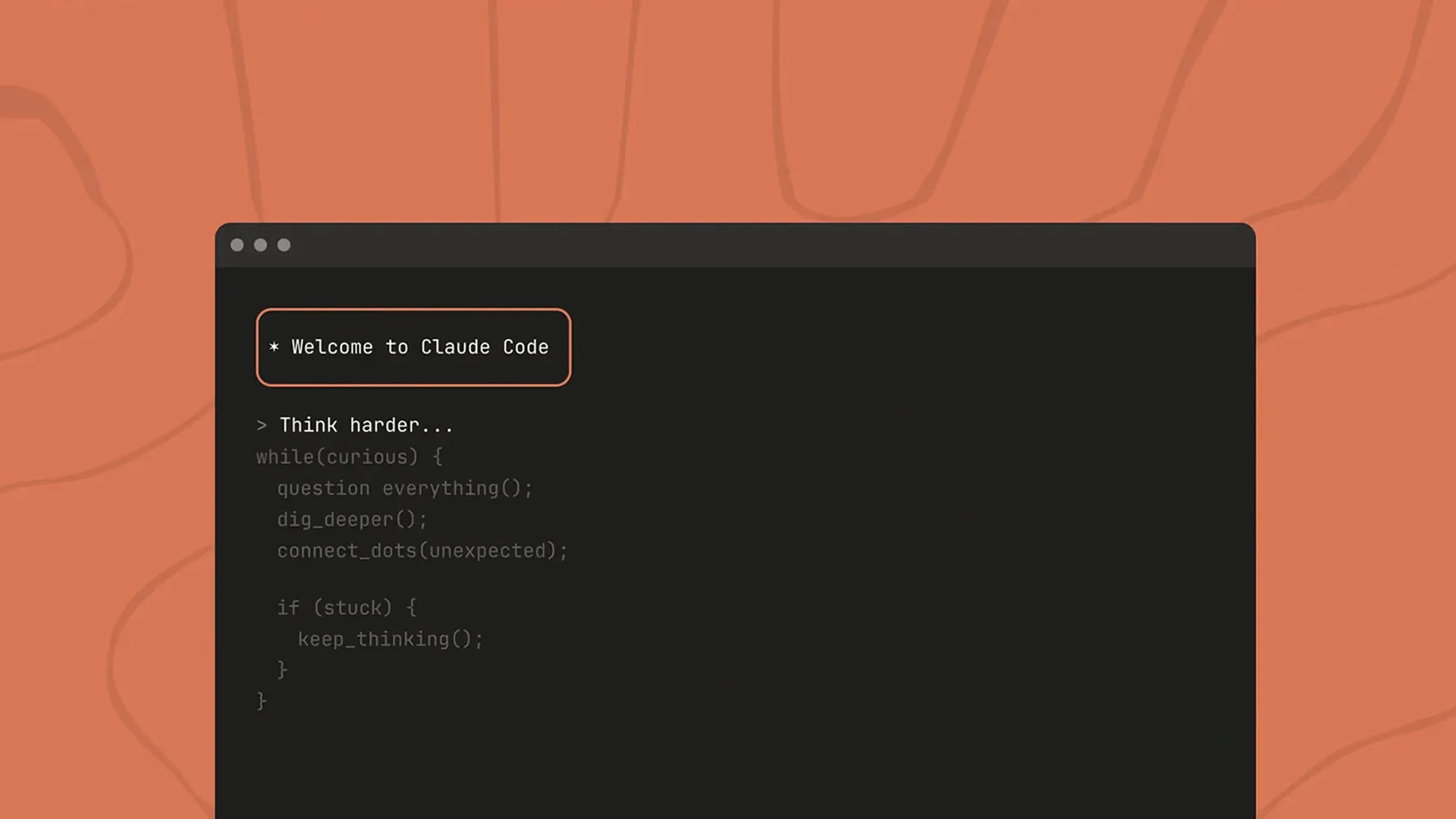
Do not build a minimum viable product. Build the narrowest version that still carries the soul: one core user, one core job, one calm flow, and craft that signals respect. MVP got corrupted into an excuse for half-built work. Early adopters are believers, not beta testers, and careless products break their trust.

Product · Aug 2025 · 3 min read
Average product design disappears. To be impossible to ignore, design with intent, not volume. Make every pixel earn its place, give the product a personality that lands immediately, and design for emotion over specs. Safe is invisible. Choose a point of view, exclude what dilutes it, and build something users feel and share.

Design · Jun 2026 · 9 min read
I moved all of my design work into AI and code and am not going back. Here is the practical guide underneath that switch: where AI genuinely helps a designer across exploration, design systems, design in code, iteration, and critique, what it still cannot do, and how to keep human taste and judgment in the loop.
Design · Jun 2026 · 8 min read
Simple is the most expensive thing you can build, not the cheapest. Every clean surface is paid for in decisions someone refused to pass to the user. AI made adding nearly free, so the discipline to subtract now costs more than ever. Simple is a leadership cost, not a taste.

Design · Feb 2026 · 3 min read
Customers become evangelists because of how a product makes them feel, not because of features. When the experience is calm, obvious, and respectful of their time, users start behaving like believers. They share it, defend it, bring others with them. That is not a marketing trick. It is design, and you build it, not buy it.

Design · Feb 2026 · 3 min read
Design is the fastest way to build trust because it is proof, not decoration. Before scale or traction, you are asking people to believe. Design converts belief into trust by aligning your team, persuading investors with evidence over claims, and making the first user encounter feel like care. Trust comes from what people experience.

Design · Feb 2026 · 4 min read
Irresistible products are deliberate, never accidents. They start from a sharp human truth, remove friction so progress feels effortless, create real emotion, and deliver value worth returning to. They pull people into flow until the interface disappears. The result feels inevitable, like an extension of self rather than software.

Design · Sep 2025 · 3 min read
The best design disappears. It becomes so natural and inevitable that you stop noticing it, and only the feeling remains: effortless, fluid, alive. Invisible design is not the absence of design. It is design at its most refined, where mastered complexity turns into clarity, friction vanishes, and that simplicity becomes trust.

Design · Aug 2025 · 3 min read
UI and UX are not two jobs. They are one mission. Splitting beauty from usability breaks the product. Real design is a single act of authorship where layout, motion, language, and emotion are shaped as one system. The best designers own outcomes, not screens, and build trust end to end.
Design · Aug 2025 · 15 min read
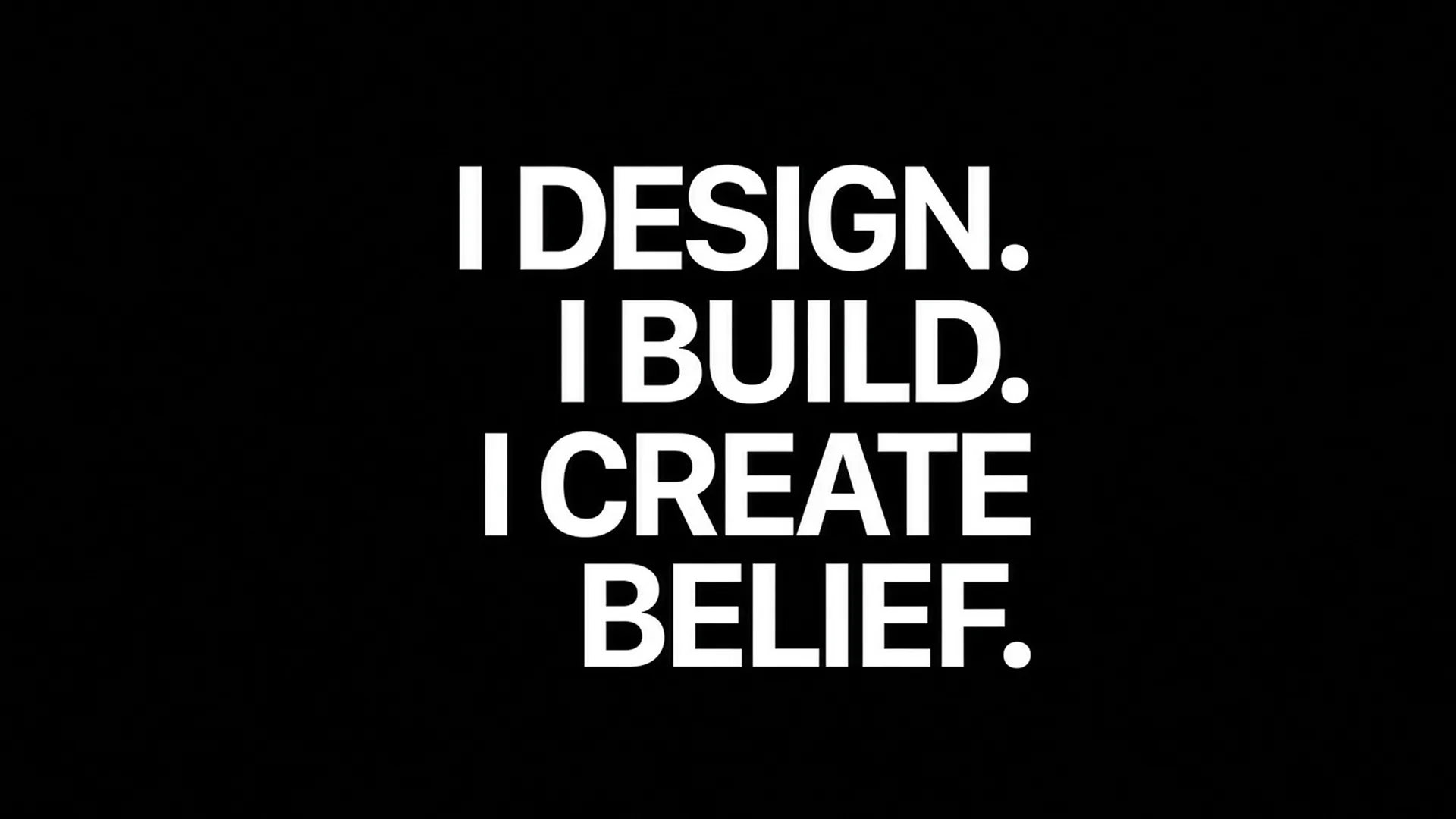
A manifesto for building products people love - exploring belief before features, the discipline of simplicity, and why craft is business strategy.

Design · Jul 2025 · 3 min read
Minimalism still wins because it gives exhausted users relief. As AI layers, settings fatigue, and feature creep make products louder, the ones people love stay quiet. Apple did not invent restraint, it turned restraint into luxury. Subtraction with care is harder than adding, which is exactly why it remains the durable advantage.

Design · Jul 2025 · 4 min read
Negative space is presence, not absence. It guides attention, reduces cognitive load, and makes intent obvious. The gaps between elements are designed decisions, not leftovers. Restraint signals confidence, builds trust, and makes a product feel premium. Clarity comes from removing doubt, not from adding more to the screen.

Design · Jul 2025 · 3 min read
Mood boards feel like progress but mask the absence of hard decisions. They offer aesthetics without accountability while users live inside reality. Build prototypes, not posters. Design the form field, the loading state, the error message. True design is care made useful, a promise the product keeps, not wallpaper on a slide.

Engineering · Aug 2026 · 10 min read
The recursive self-improvement debate is theoretical for almost everyone writing about it. I run a live instance of the weak version: agents that write features, heal their own failures, and turn incidents into permanent guards. Here is exactly where the loop closes, and the harder half, where it stops.

Engineering · Aug 2026 · 9 min read
This is a threat model, not an incident report. Nothing was breached. What I found when I audited my own agent permissions was worse in a quieter way: 391 allow rules, zero deny rules, zero ask rules, every one of them added by saying yes while busy. Here is the blast radius and the model I moved to.

Engineering · Aug 2026 · 13 min read
No human reads 532,000 lines of code, so the reading has to be delegated to something deterministic. I run an 84-dimension audit harness across eight projects. Here is how each dimension was earned, three of them walked through with real failing output, and what it still cannot see.
Engineering · Aug 2026 · 11 min read
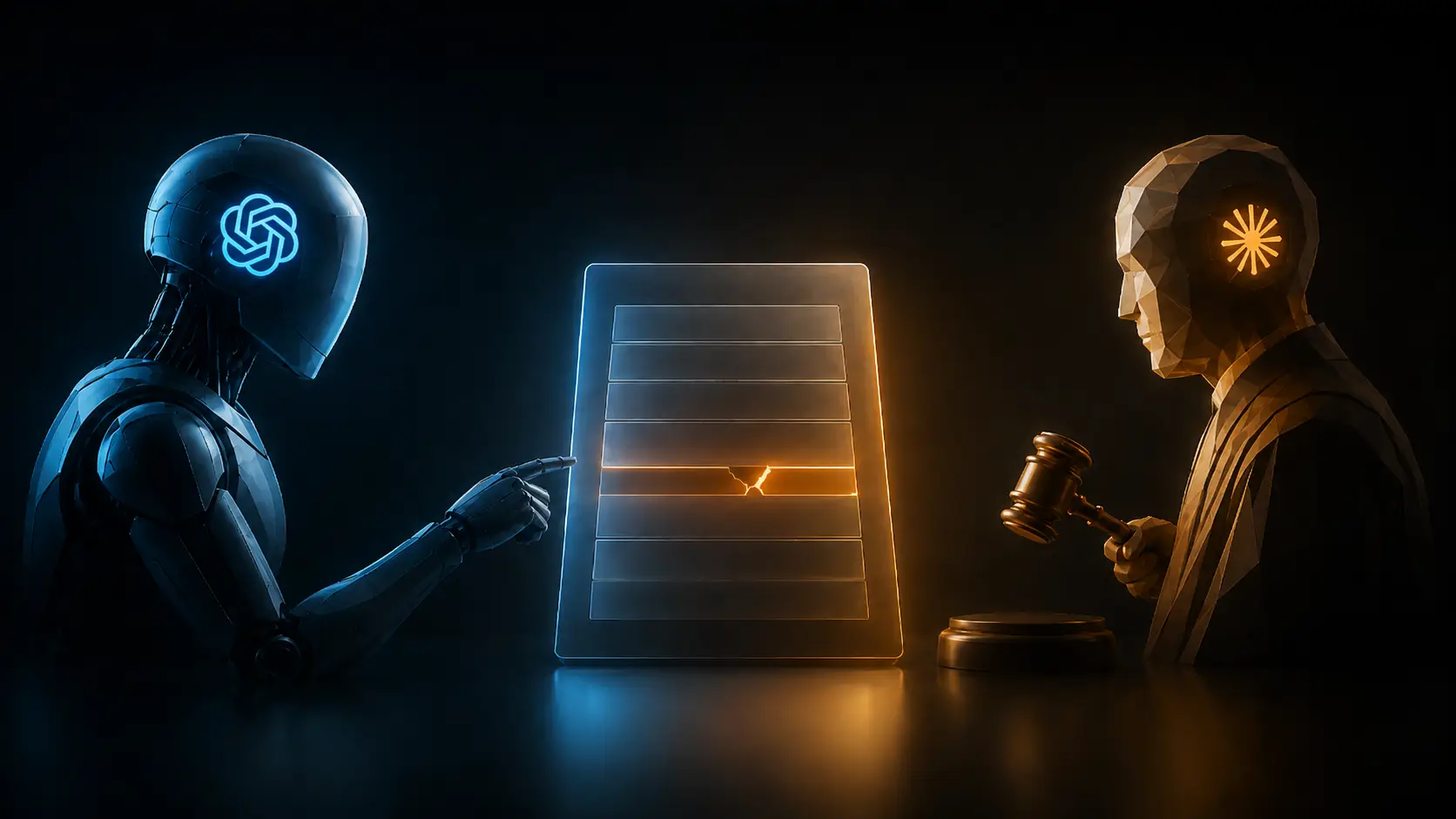
I built a system where AI agents earn authority by passing deterministic checks. It took an outside model one afternoon to point out that the agents can edit the checks. Eighty-eight audit dimensions and 19,949 tests could not see it, because every one of them reads the same repository the code lives in.

Engineering · Aug 2026 · 6 min read
Loop engineering is how software gets built when you stop prompting and start running systems. On Orbyt, autonomous agents build features, run the tests, heal their own failures, and write what they learn back into the repo. My job is designing the loop and judging the output. Here is the machine, end to end.

Engineering · Aug 2026 · 9 min read
Long-horizon agent tasks do not fail loudly. They fail green. On Orbyt, a live function wrote to a database table that did not exist, and every test passed the whole time. The horizon of an autonomous system is not model stamina. It is time to detection, and only an oracle grounded outside the code shortens it.

Engineering · Aug 2026 · 7 min read
The first-party dataset behind AI-native development. 243,000 lines in 32 days for $400, now over 425,000 lines and 11,372 tests. Measured, dated, citable.
Engineering · Aug 2026 · 8 min read
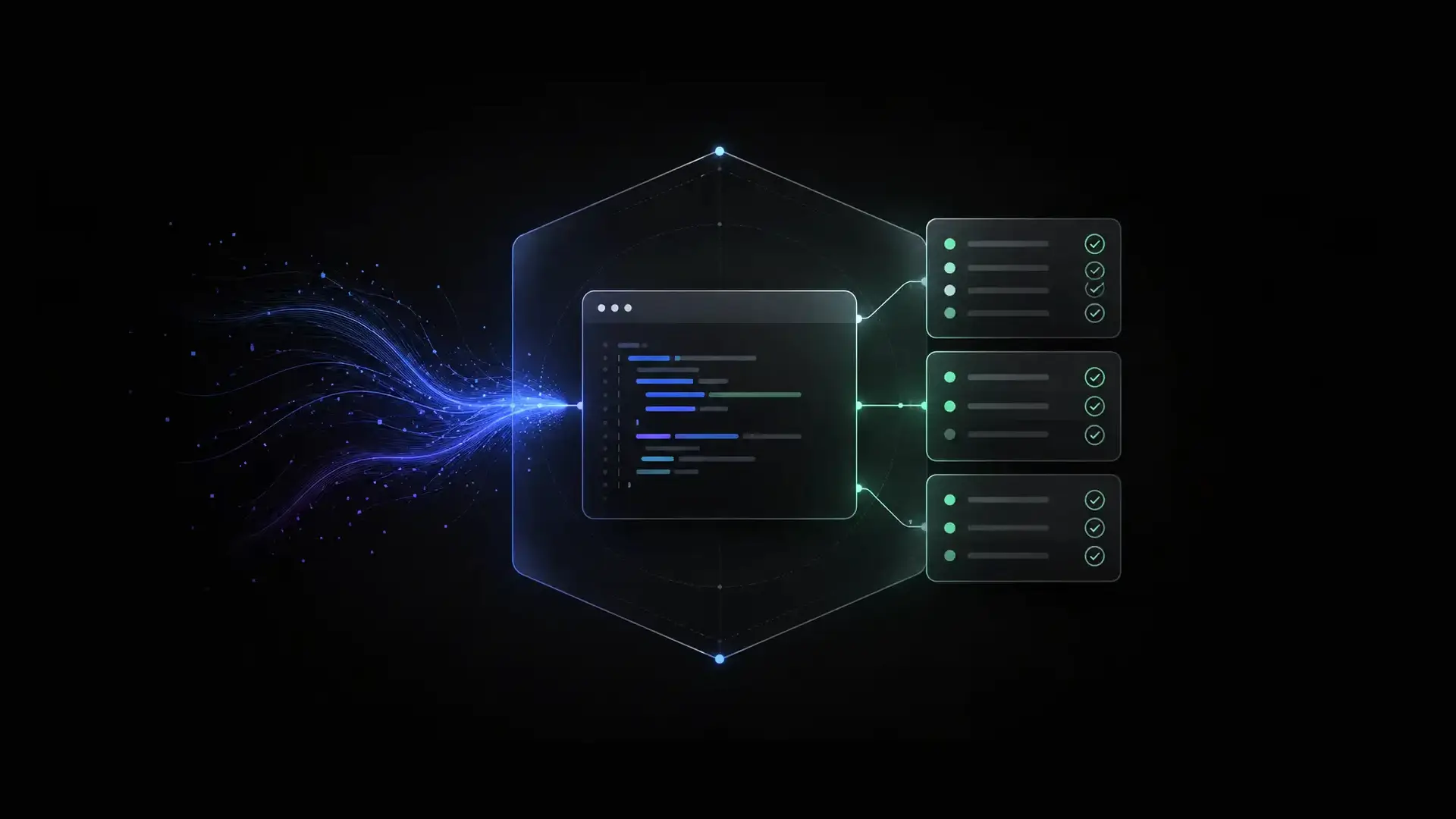
Your tests are the spec now. When AI writes the code, a planning document goes stale the moment the first agent ships. Executable tests do not. Orbyt's 11,372-test suite is the real specification, the part of vibe coding nobody can vibe, and the only reason a vibe-built product survives production.
Engineering · Jul 2026 · 8 min read
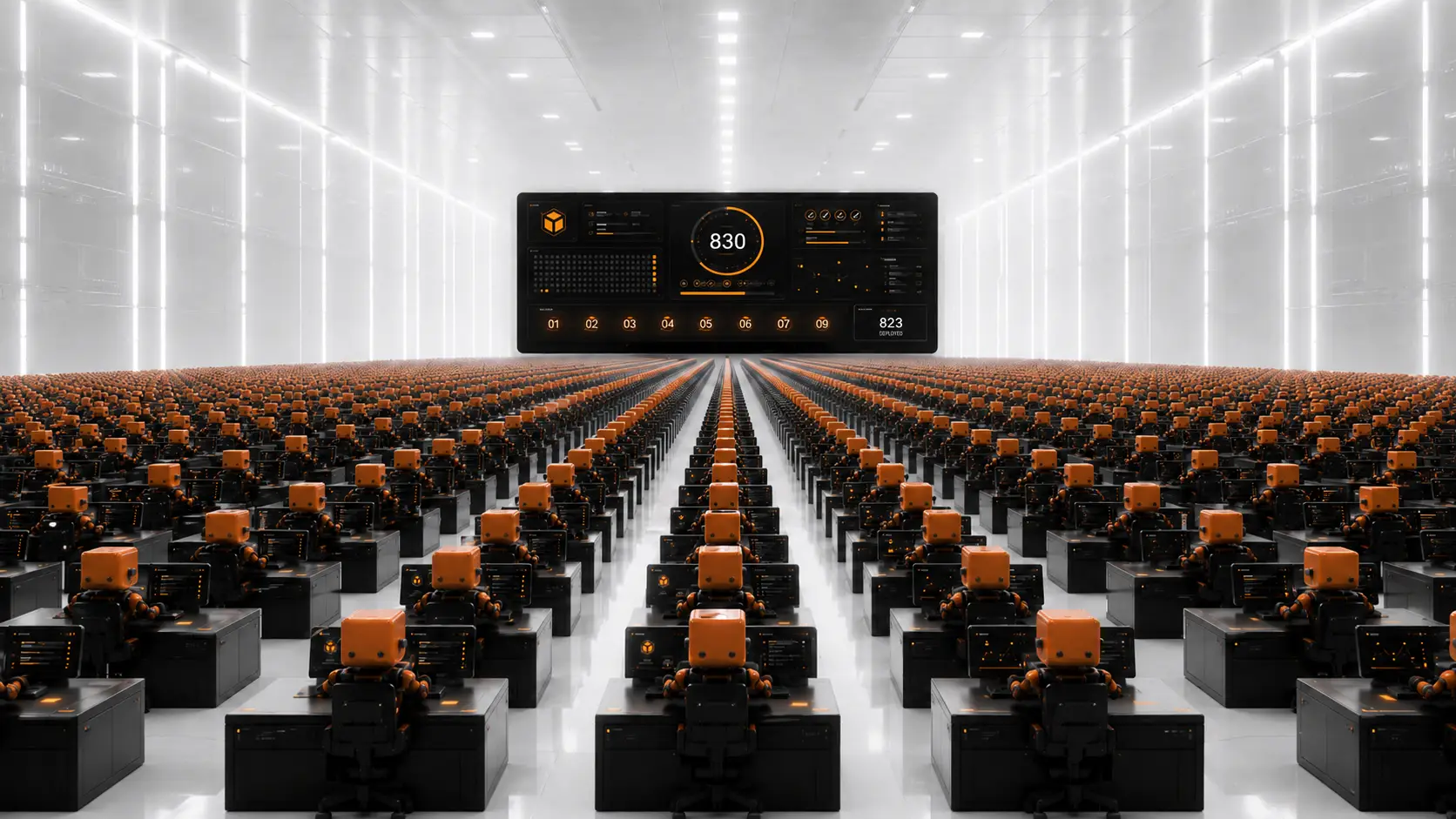
One working session on Orbyt spawned 830 AI agents across seven days. At its busiest instant, nine were running. The interesting number is the gap, and what it tells you about where the real constraint in long horizon agent work has moved. It is not compute. It is verification.

Engineering · Jul 2026 · 7 min read
Prompt engineering optimized one answer from one model call. That era is over. The unit of AI work is now the loop: spec, context, action, feedback, verification, repeated until the gate is green. The prompt became one turn inside a machine. Loop engineering is the discipline that builds the machine, and it is the skill that ships.
Engineering · Jul 2026 · 8 min read
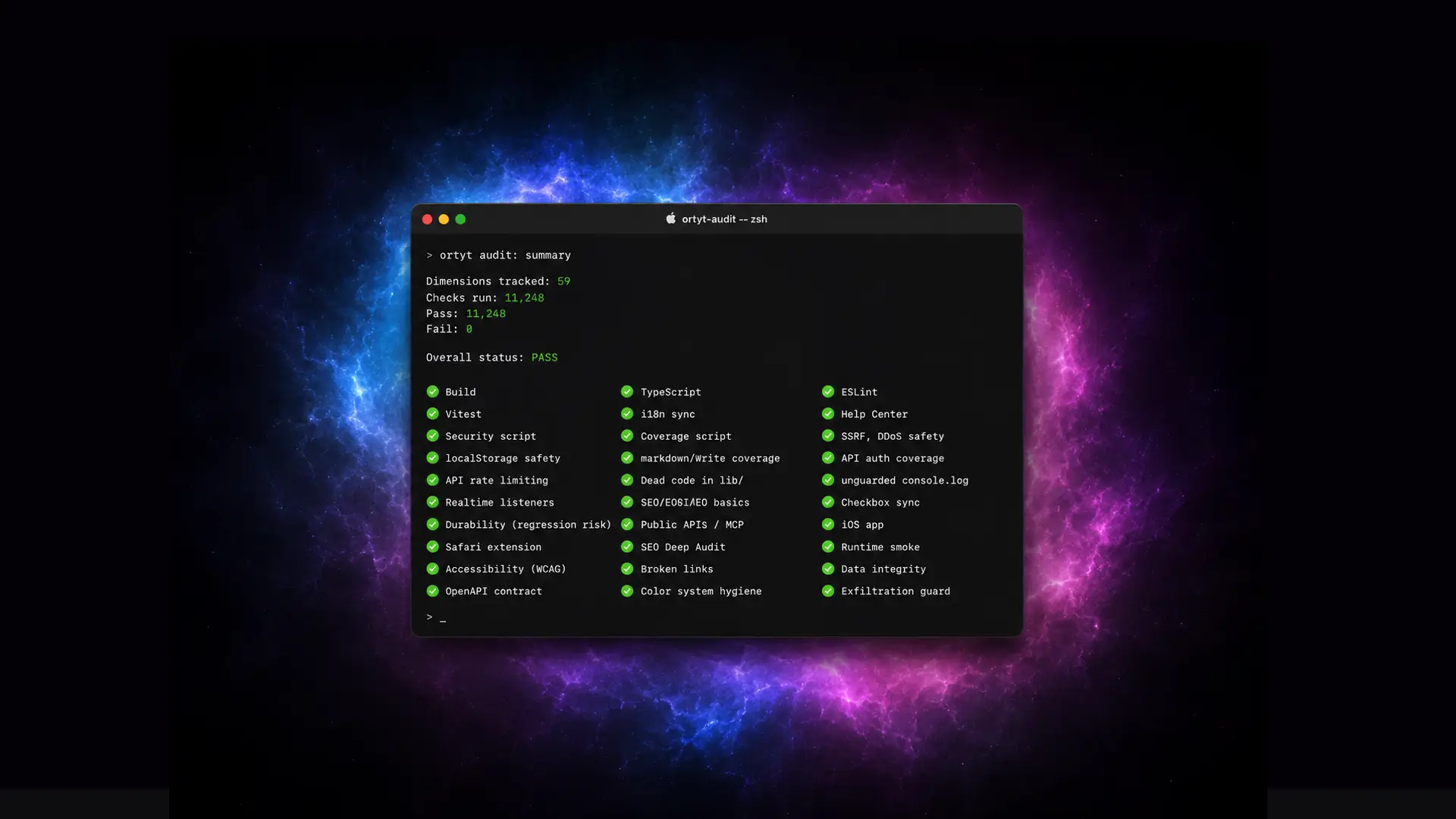
When AI writes the code, the scarce skill is no longer authorship. It is verification. I cannot read all 425,000 lines of Orbyt by hand. The 11,372 tests and the 35-dimension audit harness read it for me, and they are the new literacy.
Engineering · Jun 2026 · 7 min read
The real unlock of Claude Code is not speed. It is the disappearance of "no." No budget, no capacity, no sprint room, no free designer. The gatekeepers are gone. When nothing tells you no, your taste, your judgment, and your test suite have to become the no.
Engineering · Jun 2026 · 10 min read
No human can read 425,000 lines. I ship into mine every day. What makes that safe is not memory. It is 11,372 tests.
Engineering · Apr 2026 · 10 min read
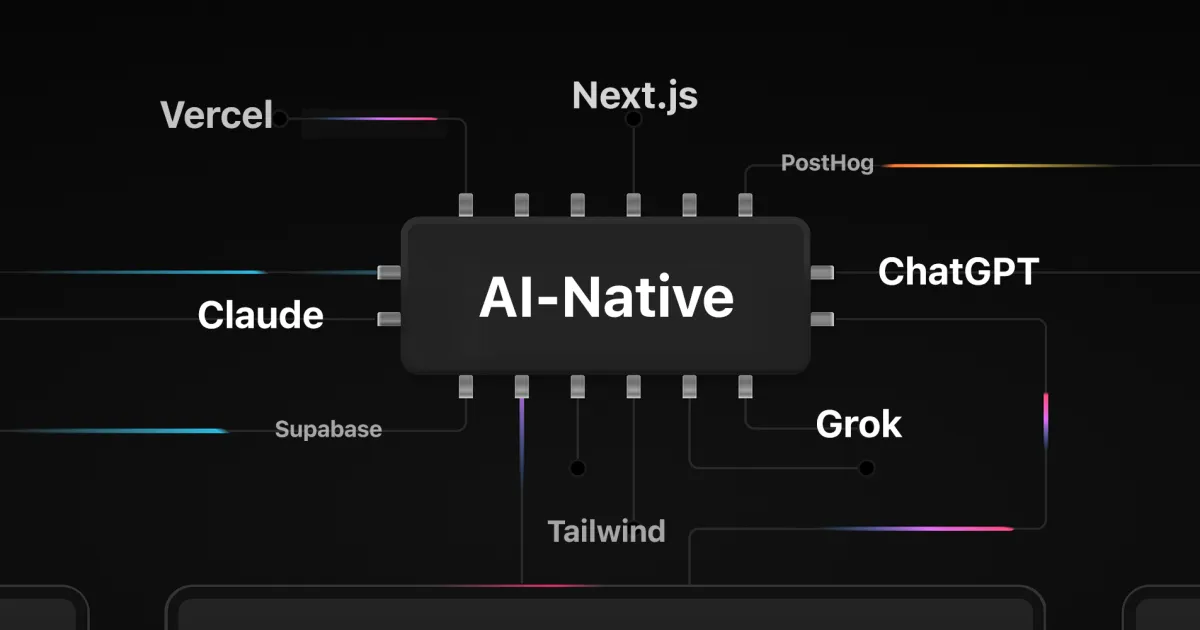
Every AI coding agent was trained on a corpus dominated by React. Choose Next.js or pay a 1.5x to 2x velocity tax on every feature, every quarter.

Engineering · Mar 2026 · 7 min read
I replaced Figma, Sketch, and Adobe with Claude Code for every UI and UX decision. Design now happens directly in the codebase, with no mockups, no handoff, and no translation layer. AI-native design has arrived, design systems are optional, and traditional design tooling is dead. Taste survives. The process does not.
Engineering · Dec 2025 · 5 min read
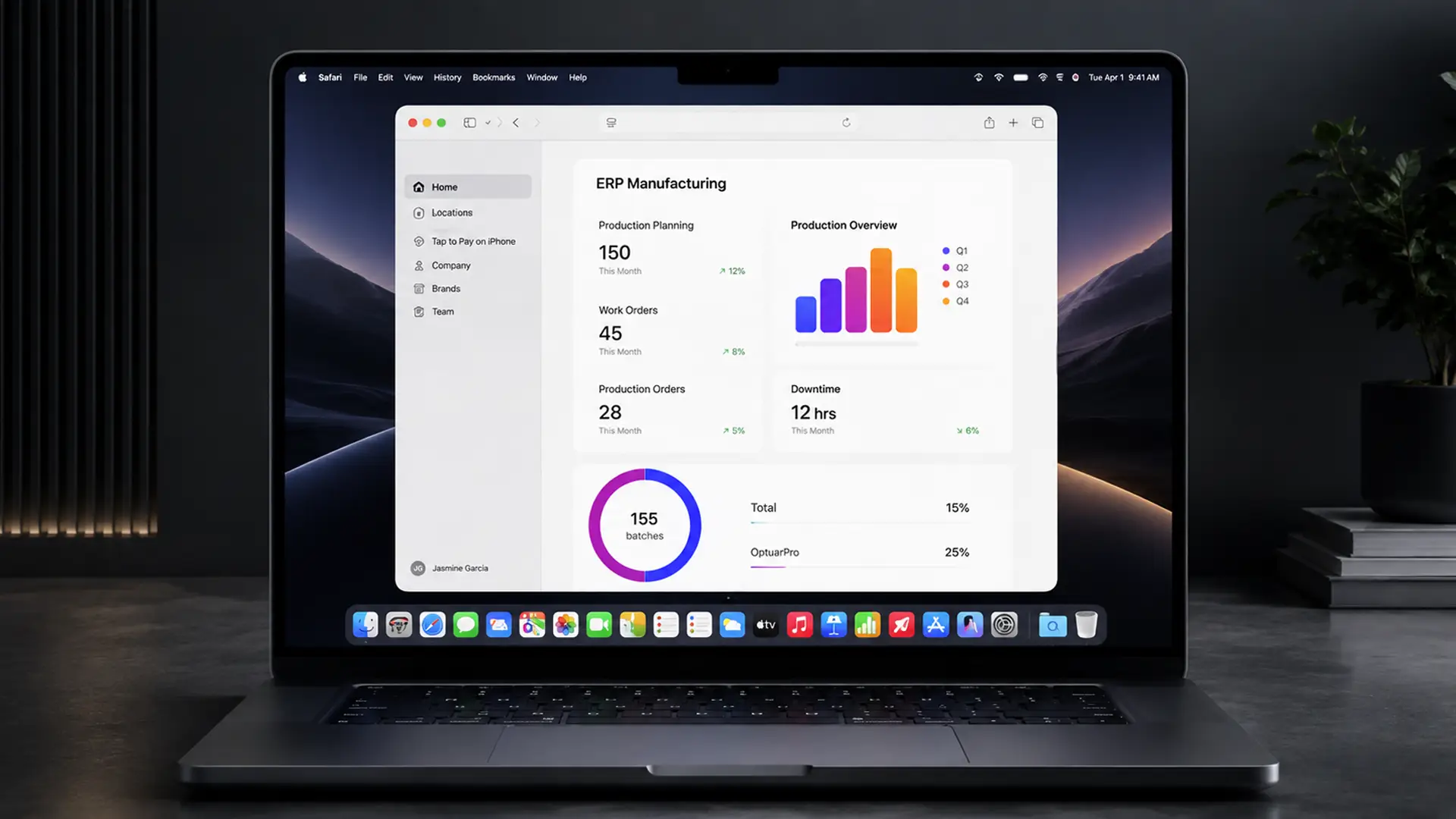
You fix broken enterprise software by redesigning how truth moves through an organization, not by adding features. ERP OS replaced ledger-with-a-UI systems with a unified temporal model, a semantic operational graph, and a context-aware interface. Across eight industries it cut operational friction 40 to 60 percent and restored trust.

Engineering · Dec 2025 · 7 min read
CRM OS started as Elements CRM and Gro CRM, two Apple-native startups, then grew into a multi-vertical operating system. We rebuilt object models, relationship graphs, and AI from first principles for HealthTech, FinTech, PropTech, Retail, Insurance, Professional Services, and Wealth Management. One architecture, eight industries, zero generic abstraction.
Leadership · Jul 2026 · 5 min read
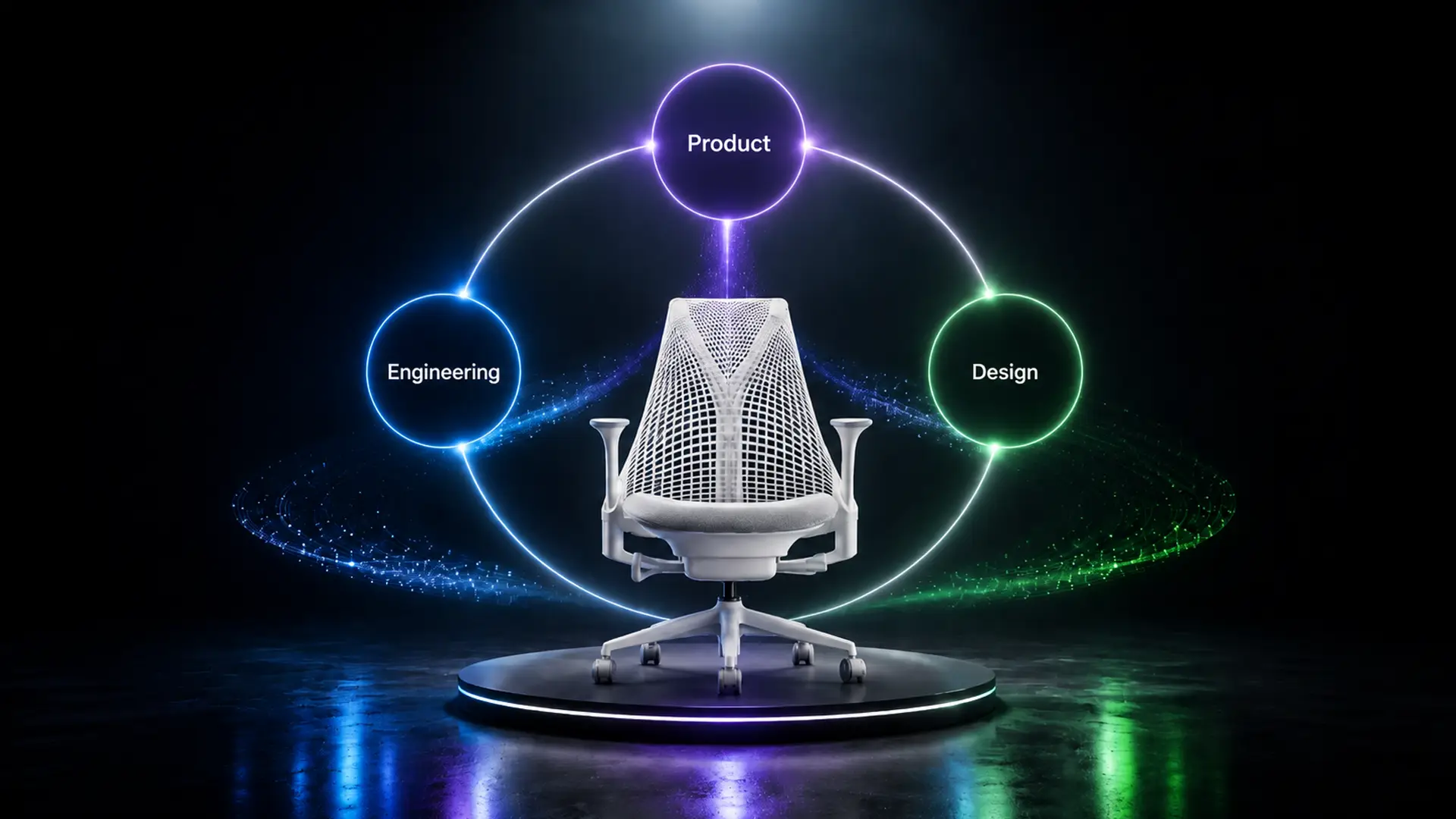
In 2026 the Chief AI Officer is not a technical hire. It is one leader who holds three chairs that used to belong to three people: the Chief Product Officer, the Chief Technology Officer, and the Chief Design Officer. AI-native products are designed, engineered, and governed as one motion, and the handoffs that split those jobs are gone.

Leadership · Jun 2026 · 8 min read
AI collapsed the cost of execution, not the cost of knowing what to build or what good looks like. Twenty years of scar tissue plus AI beats a new grad with AI every time. Your domain expertise, taste, and judgment are not legacy. They are your highest-leverage AI multiplier.

Leadership · Jun 2026 · 7 min read
A team ships exactly as good as the worst work its leader signs off on, not the bar announced at kickoff. Quality is not a talent problem, it is a tolerance problem. Standards erode through small compromises nobody sends back. Best-in-class is the residue of a leader willing to be the friction.

Leadership · Mar 2026 · 4 min read
Most companies did not hire an AI Product Manager. They hired a traditional PM and added "AI experience" to the job description. That is the old role with a buzzword. The real AI PM governs probabilistic systems, designs boundaries instead of scope, and earns trust from zero. A different discipline, not a relabel.
Leadership · Feb 2026 · 3 min read
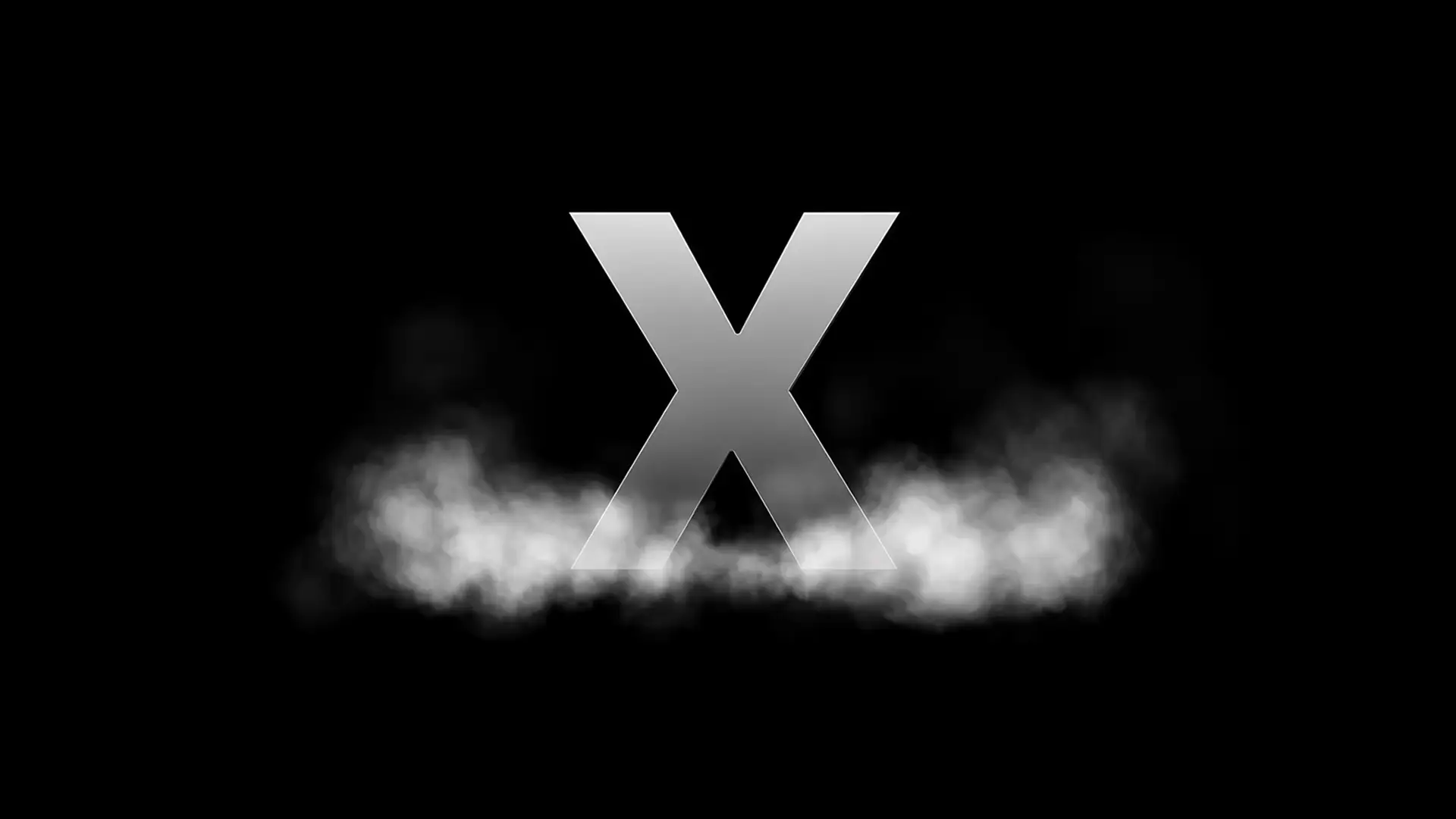
An X-shaped leader holds real depth in more than one craft and integrates them into one system. Technology, product, design, marketing, and strategy connect instead of sitting in silos. Innovation happens at the intersections, so the future belongs to connectors with standards, not narrow experts or generalists who only skim.

Leadership · Feb 2026 · 3 min read
Great products start with a point of view, a belief about how the world should work. It is taste with conviction and clarity with standards. A point of view turns a thousand competing inputs into one coherent experience. Without it, products bloat. With it, they feel inevitable.

Leadership · Feb 2026 · 4 min read
Leadership is the new bottleneck. AI collapsed the cost of building, so engineering no longer constrains ambition. The scarce inputs are now judgment, taste, and clarity. When iteration costs nothing, hesitation becomes the most expensive decision a company can make. Speed without taste creates noise. Decision velocity is the advantage.

Leadership · Nov 2025 · 3 min read
Bold product design demands disobedience because the best products refuse to accept the present as the best we can do. Obedience wins approval but never builds the future. Question the roadmap, ignore the loudest stakeholder, and pursue what has no metrics, validation, or permission yet. Consensus copies. Defiance creates.
Leadership · Nov 2025 · 3 min read
Innovation depends on rebels, the people who refuse to wait for permission and challenge what everyone else tolerates. Progress is born from tension, not agreement. A team that never disagrees is asleep. The best leaders do not suppress dissent. They cultivate it, pairing defiance with craft until conviction becomes undeniable.
Leadership · Oct 2025 · 3 min read
Small design details matter because users are perceptive. They feel what is off before they can name it, and in that first moment trust forms or fades. Micro interactions, alignment, spacing, and speed all become signals. Details are not the polish at the end. They are the product itself.

Leadership · Aug 2025 · 3 min read
Design is what turns powerful technology into products people choose instead of tolerate. Technology supplies the capability. Design makes that capability feel human, simple, and inevitable. The products we remember are not the ones that merely worked. They are the ones that felt calm, trustworthy, and alive the first time you touched them.

Leadership · Jul 2025 · 4 min read
Designers who think different redefine the problem worth solving instead of just solving it. They chase truth, not trends. Four traits set them apart: limitless curiosity, empathy that feels what users feel, courage to prototype and learn fast, and vision built on principles that endure rather than trends that expire.

Leadership · Jul 2025 · 4 min read
A world-class product design team is designed, not assembled. Hire for mindset over raw skill, protect psychological safety, define clarity instead of control, invest in collaboration, and lead by example. Scale process that protects quality without becoming bureaucracy. Culture is the invisible glue that holds the work together.

Leadership · Jul 2025 · 3 min read
Innovation comes from misfits, the restless people who refuse to settle. Most companies sideline them, label them difficult, and manage them into silence. That is how a company stops evolving without noticing. Protect the rebels in your decisions, not your values deck. You need more fire, not more alignment.

Leadership · Jul 2025 · 4 min read
A Chief Design Officer is not a luxury. It is a multiplier most startups hire too late. A CDO directs rather than decorates, defining the experience thesis before the roadmap calcifies and making taste a standard. The result is faster decisions, higher conversion, lower churn, and a company that feels inevitable.
Leadership · Jul 2025 · 4 min read
In UX there is no neutral. Every design decision shapes behavior, values, and trust, so ethics cannot be a feature you add later. Responsible UX rests on five things: transparency, privacy by design, accessibility, no dark patterns, and accountability at scale. Design leadership is moral leadership. Put people before metrics.
Leadership · Jul 2025 · 3 min read
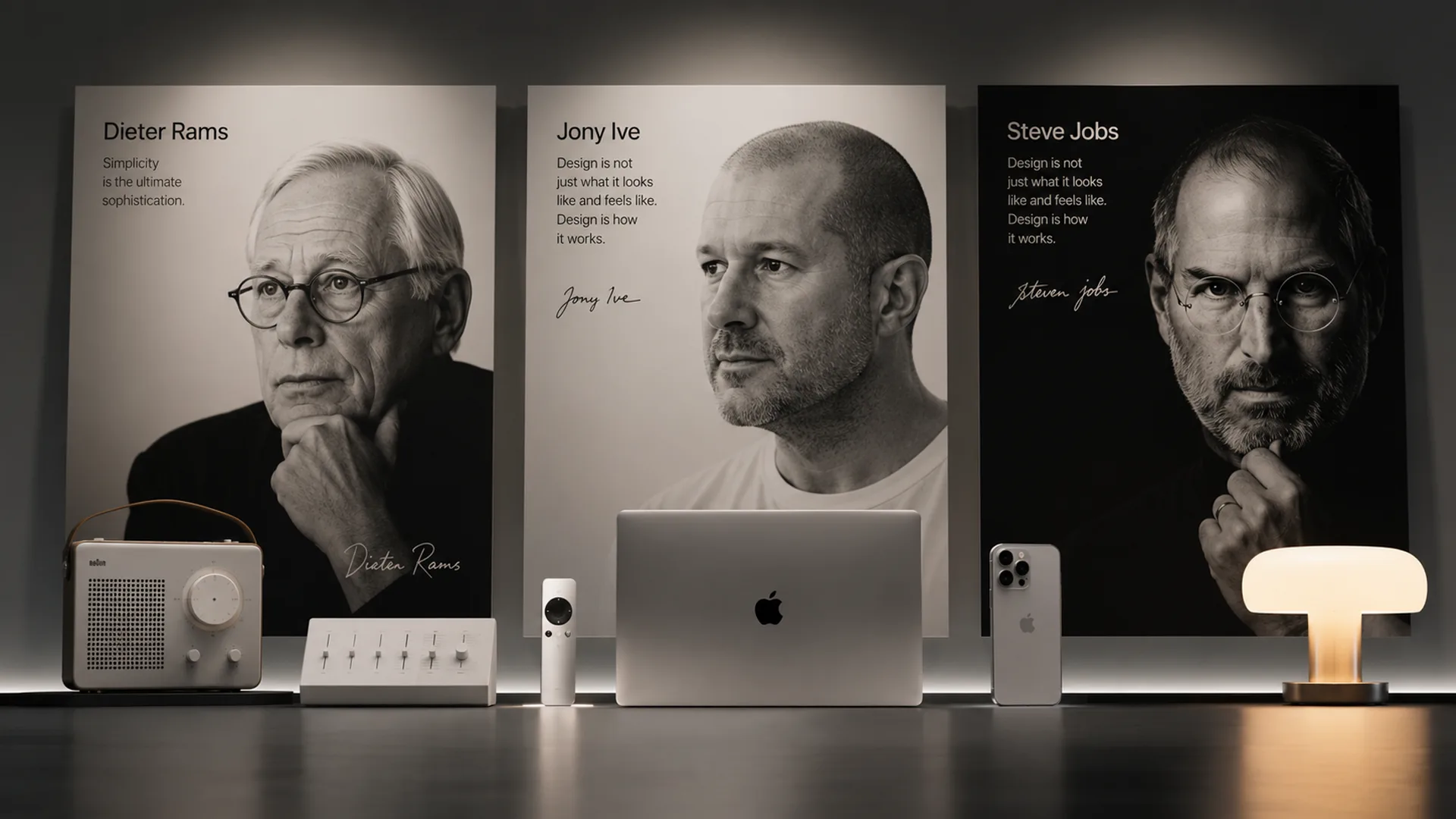
Dieter Rams, Jony Ive, and Steve Jobs shared three truths: simplicity is the discipline of removing, not adding; design is empathy made visible; and great work connects function to emotion. Function earns adoption, emotion earns loyalty. In an era of AI complexity and feature sprawl, those lessons matter more than ever.