Justin Bartak · Leadership · · 4 min read
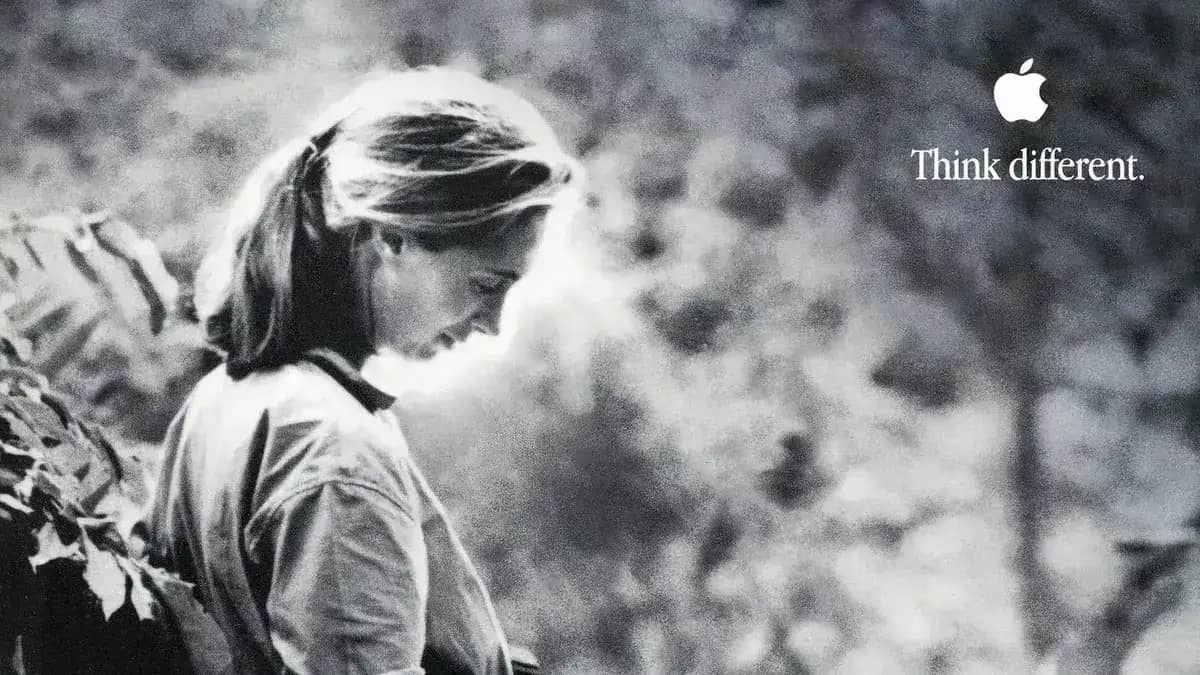
Designers Who Think Different
TL;DR
Designers who think different redefine the problem worth solving instead of just solving it. They chase truth, not trends. Four traits set them apart: limitless curiosity, empathy that feels what users feel, courage to prototype and learn fast, and vision built on principles that endure rather than trends that expire.
The future is not shaped by those who conform. It is shaped by those who see the world not as it is, but as it could be. Designers who think different are not chasing trends or copying patterns. They are chasing truth. They see possibility where others see constraints. They find simplicity inside complexity. They strip experiences down to what actually matters.
In a world flooded with predictable design, they imagine something better. Then they quietly build it.
Why thinking different matters
Designers who think different do more than solve problems.
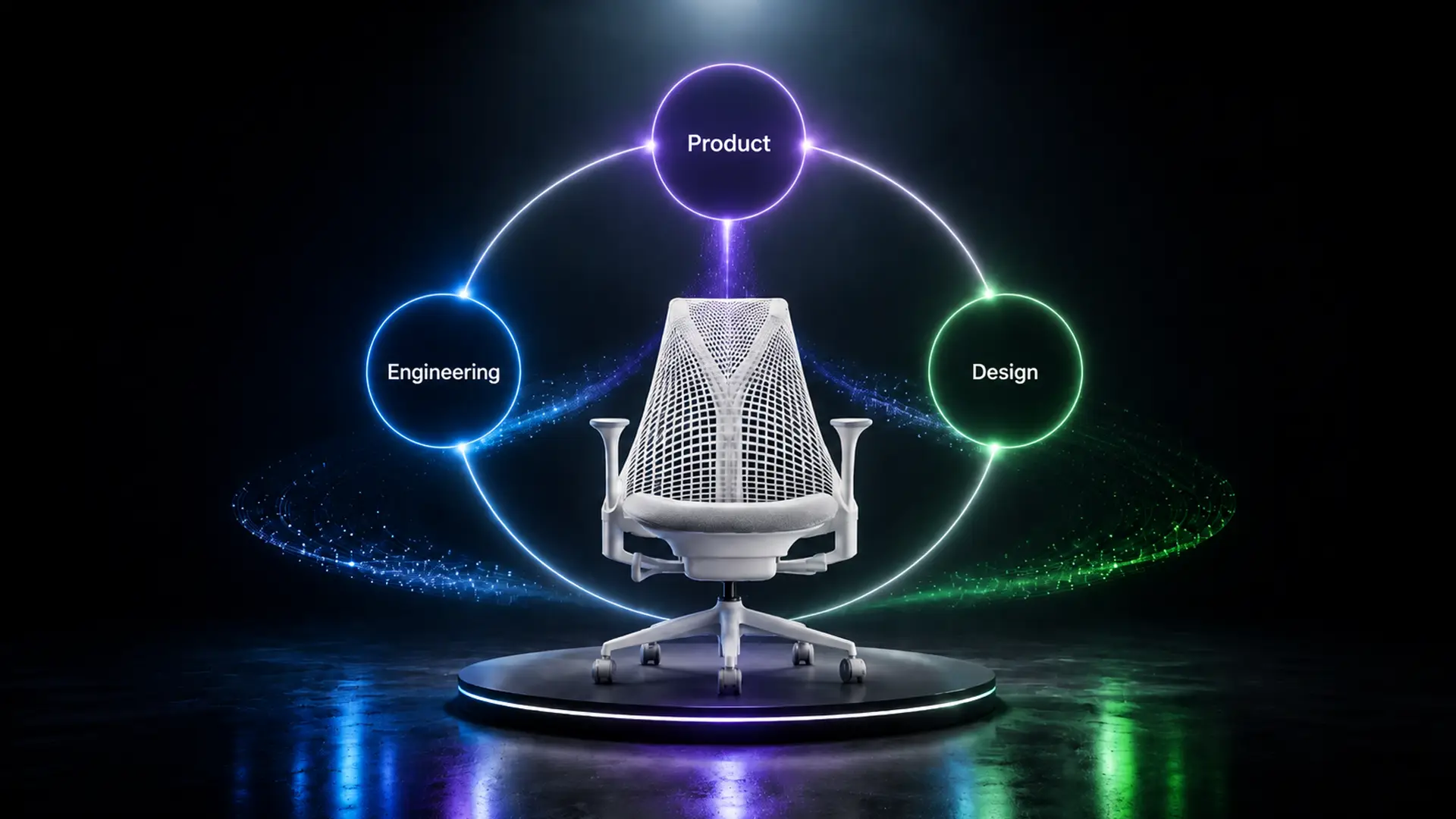
They redefine the problem worth solving. They make technology feel human. They make products feel inevitable. They build things no one asked for, but everyone falls in love with.
This is not rebellion for its own sake. It is clarity with conviction.
The reason it matters is leverage. A designer who only solves the brief moves a number. A designer who reframes the brief moves the market. Apple did not make a better MP3 player. It made the question "where is my music" disappear. That is the difference between optimizing what exists and inventing what should.
Optimizing the obvious is a race to average. Reframing the problem is how you escape it.
What makes these designers different
Curiosity without limits
They ask what if until the answer feels obvious.
They are allergic to assumptions. They challenge defaults. They are never satisfied with how things have always been done. Curiosity is not a phase for them. It is a permanent posture.
The tell is the question behind the question. Most people ask how to make the form shorter. They ask why the form exists at all. Most people ask how to explain the feature. They ask why the feature needs explaining. Curiosity that deep does not produce small improvements. It produces different products.
Empathy that transcends
They do not design for users from a distance.
They feel what users feel. They understand stress, urgency, doubt, and desire. That emotional proximity changes the work. It replaces cleverness with care and transforms interfaces into experiences people trust.
Empathy is not a research deck. It is the decision you make at 11pm to remove the clever animation because a stressed user does not want clever. They want done. The best designers carry the user's emotional state in their body, not in a persona document. You can feel the difference in the result.
Courage to experiment
They move fast because learning matters more than being right.
They prototype to think. They build to learn. They fail early and adjust quickly, not recklessly, but intentionally. Progress comes from momentum guided by taste.
Courage here is unglamorous. It is shipping the rough version to learn what the polished version should be. It is killing your favorite idea the moment the evidence turns against it. Ego protects the idea. Courage protects the user. The designers who think different always choose the user.
Vision beyond trends
They ignore the noise.
They design for what will matter in ten years, not what looks good this quarter. Trends expire. Principles endure. Designers who think different build on principles.
A trend tells you what is popular now. A principle tells you what is true regardless of now. Clarity, honesty, restraint, and respect for attention do not go out of style. Build on those and your work ages into inevitability instead of dating into embarrassment.
Leading the charge
Design leaders have a responsibility to protect this kind of thinking.
That means creating environments where bold ideas are safe. Where disagreement is welcomed. Where diverse voices shape the work. Where clarity is valued more than consensus.
Consensus feels safe because it spreads the blame. But consensus design averages every opinion into something no one hates and no one loves. The leader's job is to make space for the conviction that consensus would sand off. Protect the one person in the room who sees what the room cannot.
Radical creativity does not survive inside fear. It thrives inside trust.
Final thought
The future will not be shaped by compliance.
It will be shaped by conviction. By designers willing to look past what exists and commit to what should.
To design the future, we must dare to think beyond what is.
And believe deeply in what could be.
Related reading:
Frequently asked questions
What separates designers who think different from everyone else?
They redefine the problem worth solving instead of just solving it. They chase truth, not trends. Four traits set them apart: curiosity without limits, empathy that feels what users feel, courage to prototype and learn fast, and vision built on principles that endure rather than trends that expire.
How do design leaders protect bold, original thinking on their teams?
Build environments where bold ideas are safe and disagreement is welcomed. Let diverse voices shape the work. Value clarity over consensus. Radical creativity does not survive inside fear. It thrives inside trust. The leader's job is to protect that thinking, not to enforce conformity.
Should designers chase current trends or design for the long term?
Design for what will matter in ten years, not what looks good this quarter. Trends expire. Principles endure. Designers who think different ignore the noise and build on principles. That is how products come to feel inevitable rather than predictable, and how the future actually gets shaped.