Blog/Design
Design
Design as the fastest way to build trust. Simplicity as a cost, taste as a moat, and the details people feel but rarely name.
Design · Jun 2026 · 9 min read
Why I Switched My Design Work to AI
I moved all of my design work into AI and code and am not going back. Here is the practical guide underneath that switch: where AI genuinely helps a designer across exploration, design systems, design in code, iteration, and critique, what it still cannot do, and how to keep human taste and judgment in the loop.
Design · Jun 2026 · 8 min read
Simple Is Expensive.
Simple is the most expensive thing you can build, not the cheapest. Every clean surface is paid for in decisions someone refused to pass to the user. AI made adding nearly free, so the discipline to subtract now costs more than ever. Simple is a leadership cost, not a taste.

Design · Feb 2026 · 3 min read
Design Drives Brand Evangelists
Customers become evangelists because of how a product makes them feel, not because of features. When the experience is calm, obvious, and respectful of their time, users start behaving like believers. They share it, defend it, bring others with them. That is not a marketing trick. It is design, and you build it, not buy it.
Design · Feb 2026 · 3 min read
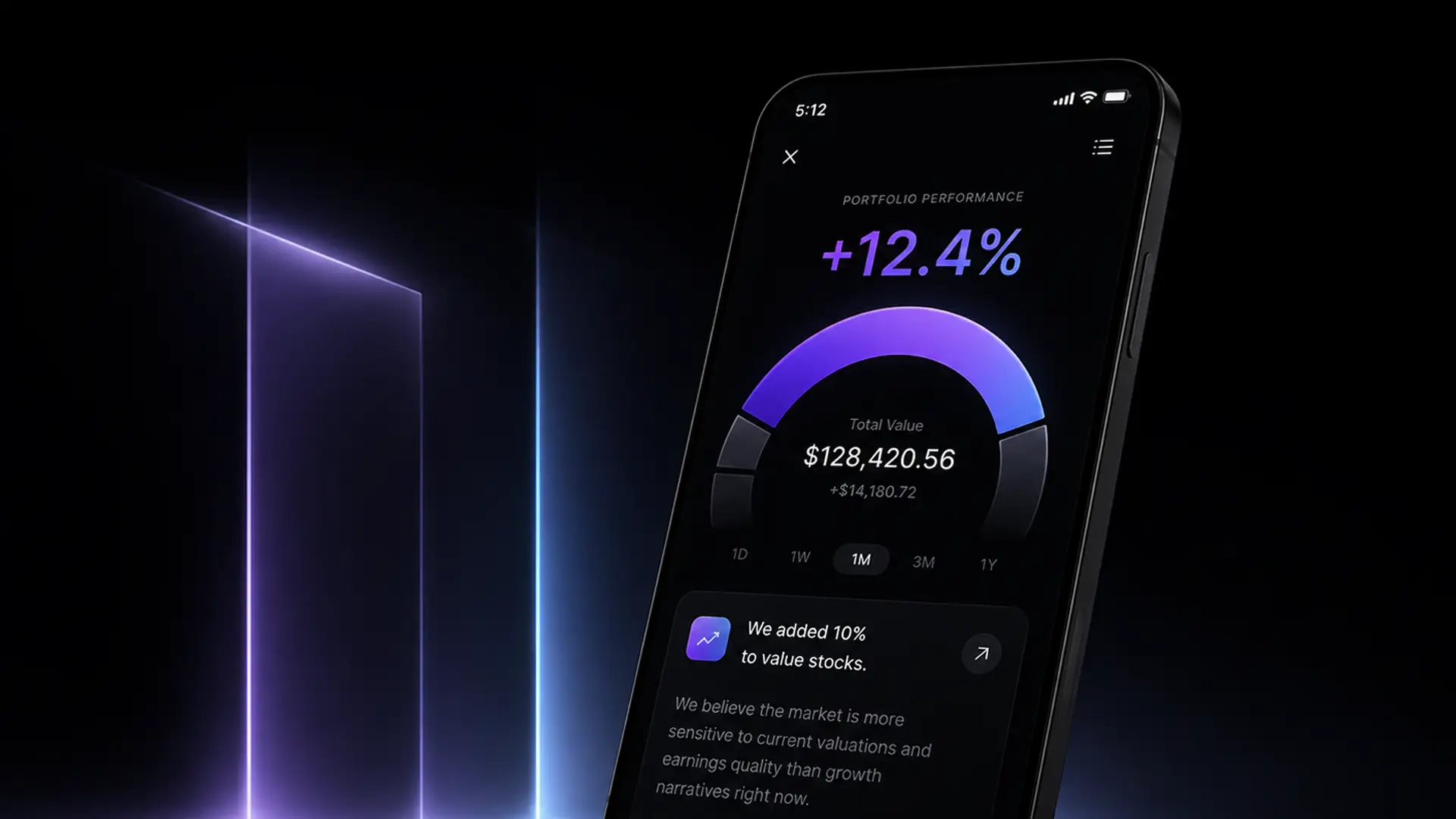
Design Is the Fastest Way to Build Trust
Design is the fastest way to build trust because it is proof, not decoration. Before scale or traction, you are asking people to believe. Design converts belief into trust by aligning your team, persuading investors with evidence over claims, and making the first user encounter feel like care. Trust comes from what people experience.
Design · Feb 2026 · 4 min read
Secrets of Irresistible Product Design
Irresistible products are deliberate, never accidents. They start from a sharp human truth, remove friction so progress feels effortless, create real emotion, and deliver value worth returning to. They pull people into flow until the interface disappears. The result feels inevitable, like an extension of self rather than software.

Design · Sep 2025 · 3 min read
Design You Don't Notice, But Love
The best design disappears. It becomes so natural and inevitable that you stop noticing it, and only the feeling remains: effortless, fluid, alive. Invisible design is not the absence of design. It is design at its most refined, where mastered complexity turns into clarity, friction vanishes, and that simplicity becomes trust.
Design · Aug 2025 · 3 min read
UI and UX Are One Mission, Not Two
UI and UX are not two jobs. They are one mission. Splitting beauty from usability breaks the product. Real design is a single act of authorship where layout, motion, language, and emotion are shaped as one system. The best designers own outcomes, not screens, and build trust end to end.
Design · Aug 2025 · 15 min read
I Don't Just Design Products. I Design Belief.
A manifesto for building products people love - exploring belief before features, the discipline of simplicity, and why craft is business strategy.
Design · Jul 2025 · 3 min read
The Rise of Apple Inspired UX and Minimalism
Minimalism still wins because it gives exhausted users relief. As AI layers, settings fatigue, and feature creep make products louder, the ones people love stay quiet. Apple did not invent restraint, it turned restraint into luxury. Subtraction with care is harder than adding, which is exactly why it remains the durable advantage.
Design · Jul 2025 · 4 min read
Design's Secret Weapon: Negative Space
Negative space is presence, not absence. It guides attention, reduces cognitive load, and makes intent obvious. The gaps between elements are designed decisions, not leftovers. Restraint signals confidence, builds trust, and makes a product feel premium. Clarity comes from removing doubt, not from adding more to the screen.
Design · Jul 2025 · 3 min read
Stop with the Mood Boards.
Mood boards feel like progress but mask the absence of hard decisions. They offer aesthetics without accountability while users live inside reality. Build prototypes, not posters. Design the form field, the loading state, the error message. True design is care made useful, a promise the product keeps, not wallpaper on a slide.