Justin Bartak · Design · · 4 min read
Design's Secret Weapon: Negative Space
TL;DR
Negative space is presence, not absence. It guides attention, reduces cognitive load, and makes intent obvious. The gaps between elements are designed decisions, not leftovers. Restraint signals confidence, builds trust, and makes a product feel premium. Clarity comes from removing doubt, not from adding more to the screen.
There is a quiet power in what we choose to leave untouched. In a world obsessed with adding, great designers know when to stop. Negative space is not absence. It is presence. It shapes meaning through restraint. It builds trust through silence. It turns interfaces into experiences not by what they show, but by what they choose not to.
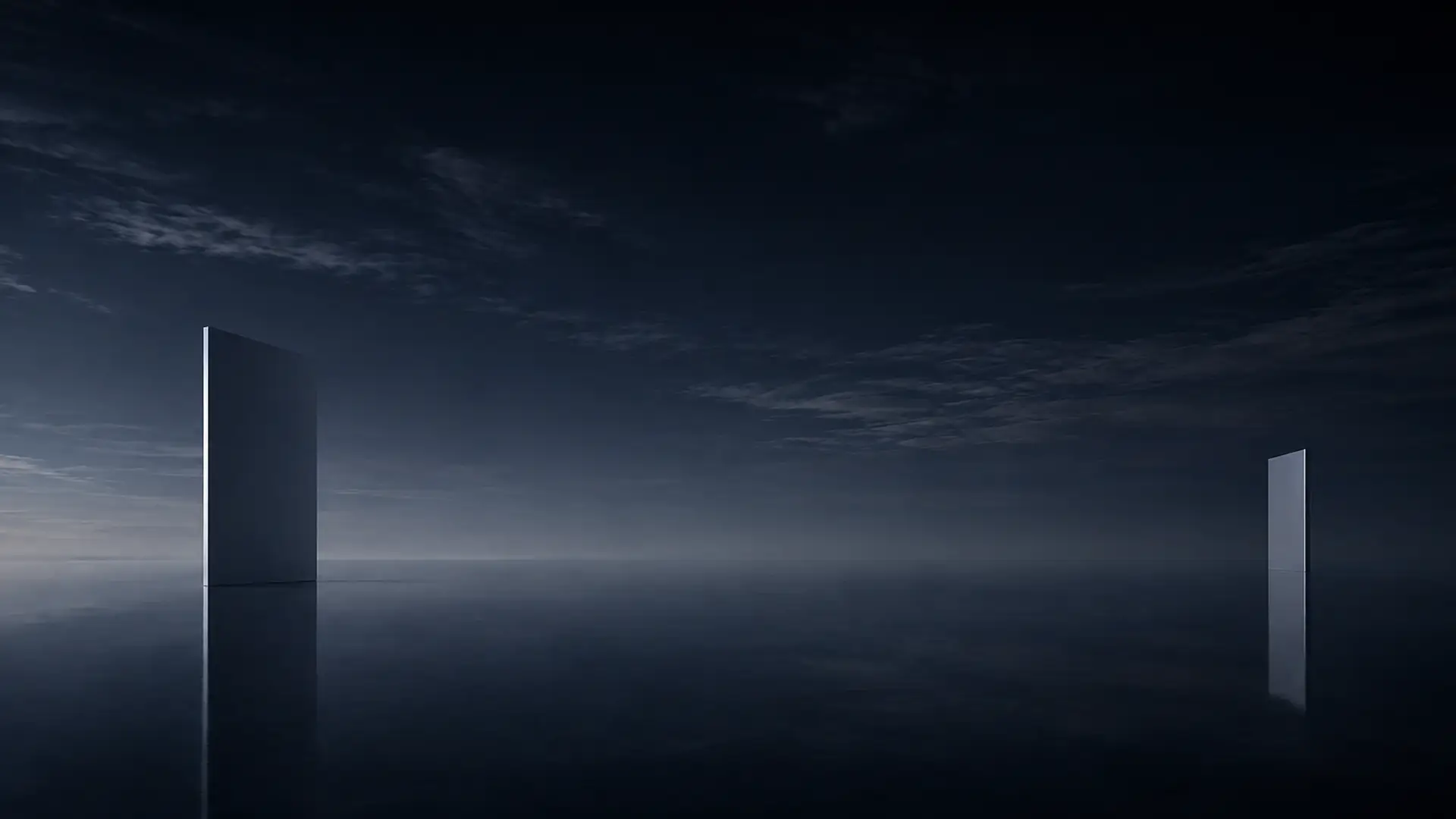
The space around the subject is the design. Remove it and the subject has nowhere to land.
Silence is part of the design
Just as a pause in music sharpens the note that follows, negative space elevates everything around it. It gives hierarchy room to work. It gives the eye a place to rest. It gives the user permission to breathe.
It is not empty. It is empathetic.
And it is how design whispers instead of shouts.
Why does space create more meaning?
Space creates meaning because the brain reads emptiness as importance. When you surround one element with room, you tell the user where to look without a single instruction. Restraint becomes direction. The gap does the pointing.
It increases clarity
Whitespace is not ornamental. It is functional.
It guides attention. It reduces cognitive load. It makes intent obvious. When the interface breathes, the user stops translating and starts moving.
Clarity is rarely created by adding. It is created by removing doubt.
It elevates perception
Want something to feel premium?
Let it breathe.
Density feels desperate. Space feels confident.
Negative space signals discipline. It says the product is not trying too hard. It is not begging for attention. It already knows what matters.
It creates emotional impact
Stillness carries weight.
Space can feel calm. It can feel composed. It can feel human. It creates an emotional tone before a single word is read.
The best experiences do not overwhelm. They invite.
Is negative space passive, or is it deliberate?
Negative space is deliberate. In great products, nothing is accidental, especially the gaps.
The spaces between elements are just as considered as the elements themselves. They are not leftover. They are designed. They are essential.
Negative space is a decision. A boundary. A standard.
It is what protects the message from clutter. It is what protects the user from noise.
How do you design with negative space on purpose?
You design with negative space by treating every removal as a decision, not a leftover. Start with too little, not too much. Add only what earns its place. Then defend the gaps as hard as you defend the content.
A few moves that hold up under pressure:
| Move | What it does |
|---|---|
| Give the primary action room | Isolation makes the next step obvious without a label |
| Increase line height and margins | Reading slows in the right way. Comprehension rises |
| Group with space, not lines | Proximity carries structure. Borders add noise |
| Cut one element per pass | The page gets stronger every time something leaves |
The hardest part is not adding the space. It is resisting the pressure to fill it. Every stakeholder wants one more badge, one more banner, one more call to action. Discipline is saying no on the user's behalf.
Final thought
Negative space is not what is missing.
It is what you protected.
It is the discipline to let the message stand alone. It is the courage to say, this is enough.
Related reading:
Frequently asked questions
Why is negative space so important in design?
Negative space is presence, not absence. It guides attention, reduces cognitive load, and makes intent obvious. When the interface breathes, the user stops translating and starts moving. It builds trust through restraint and shapes meaning before a single word is read. Clarity comes from removing doubt, not adding more.
How does whitespace make a product feel more premium?
Whitespace makes a product feel premium because density reads as desperate while space reads as confident. Negative space signals discipline. It tells the user the product is not trying too hard and not begging for attention. It already knows what matters, and that restraint feels composed and expensive.
Is negative space just leftover empty space in a layout?
No. In great products nothing is accidental, especially the gaps. The spaces between elements are as considered as the elements themselves. They are not leftover. They are designed. Negative space is a decision, a boundary, a standard. It protects the message from clutter and the user from noise.