Justin Bartak · Design · · 3 min read
The Rise of Apple Inspired UX and Minimalism
TL;DR
Minimalism still wins because it gives exhausted users relief. As AI layers, settings fatigue, and feature creep make products louder, the ones people love stay quiet. Apple did not invent restraint, it turned restraint into luxury. Subtraction with care is harder than adding, which is exactly why it remains the durable advantage.
In an era obsessed with motion, complexity, and control panels disguised as products, minimalism feels radical again. Minimalism still wins because it gives people relief. The world has gotten louder, but the products we fall in love with remain quiet. No chaos. No confusion. No performative cleverness. Just clarity of purpose, confidence of restraint, and the emotional calm that only great design can create.
Minimalism is not the absence of ambition. It is ambition with discipline.
Why Apple's philosophy still shapes the future
Apple did not invent minimalism.
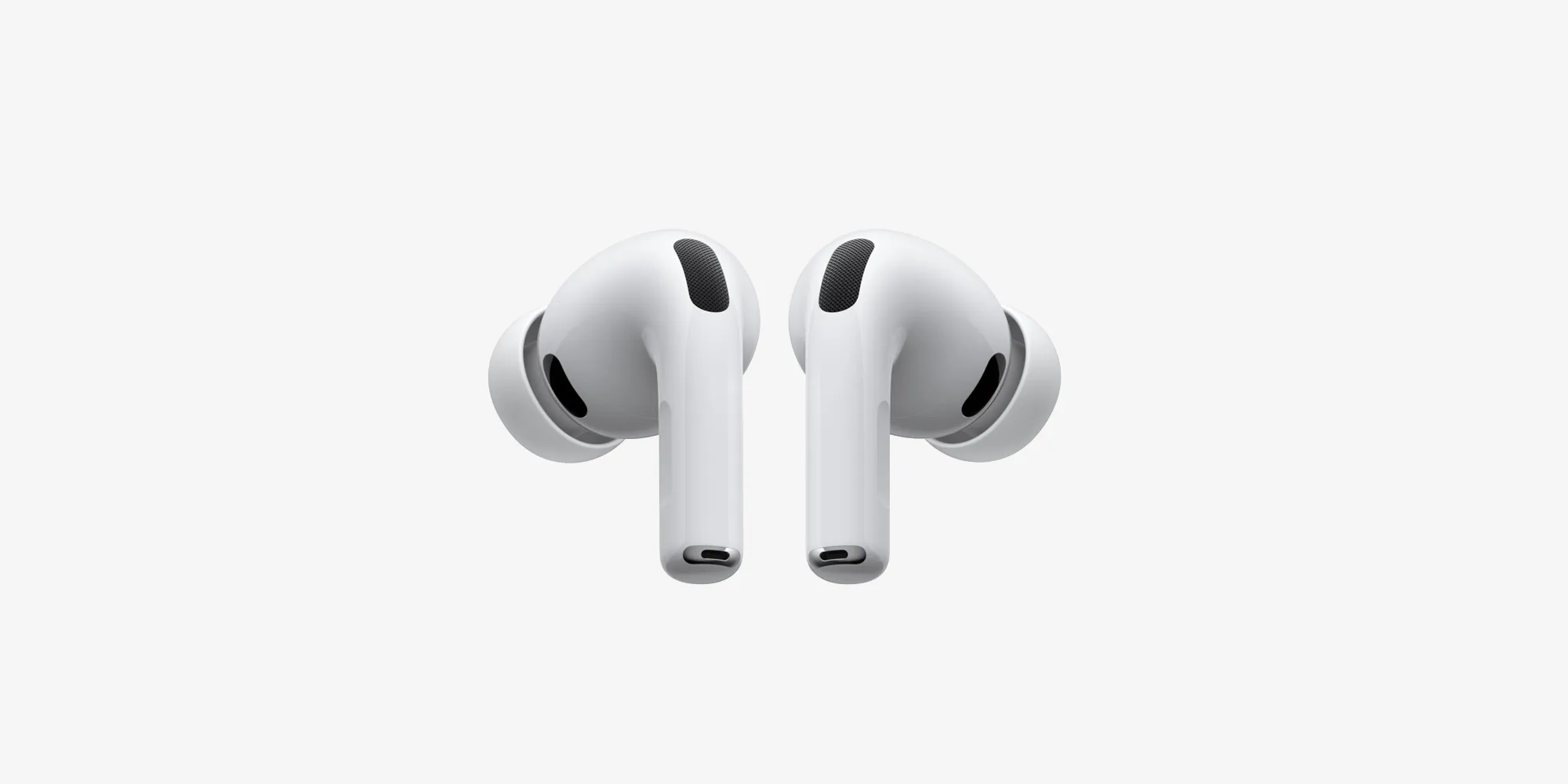
They elevated it. They turned restraint into luxury. They made simplicity feel profound.
That legacy does not live in rounded corners or gradients. It lives in intent. In the willingness to remove what does not matter so what does can shine. It is a design posture that says, we did the hard work so you do not have to.
Minimalism is not about less. It is about only.
Minimalism in 2026 is not a trend, it is a response
We are building in a new kind of complexity.
AI layers. Settings fatigue. Bloated surfaces. Feature creep that looks like progress but feels like noise.
And users are exhausted.
They do not need another toggle. They need a product that feels thoughtful.
Minimalism thrives because it restores trust. It tells the user, we have already done the thinking. We have already edited the chaos. You can just move.
That feeling is rare. That rarity is the advantage.
Modern products are rediscovering the discipline
The best modern products share an invisible discipline.
They remove friction before users can name it. They hide complexity behind calm defaults. They make the next step obvious without making the product feel dumbed down.
This is not simplification as aesthetic. This is simplification as strategy.
Restraint is harder, and that is the point
Anyone can add.
Few can subtract with care.
Minimalism requires taste. It requires patience. It requires saying no more than you say yes.
Because every extra element is a tax on attention. Every extra decision is a leak in momentum. Great design is the craft of protecting focus.
The reward is timeless
Products built with restraint do not just perform.
They are remembered. They are recommended. They are loved.
Not because they shout. Because they whisper with confidence.
Final thought
Minimalism still wins in 2026 because it gives people something they are desperate for.
Relief.
In a world full of noise, the most elegant product does not demand attention. It earns it quietly.
Related reading:
Frequently asked questions
Why does minimalism still matter in product design in 2026?
Minimalism wins because it gives people relief. Products now carry AI layers, settings fatigue, and feature creep that feels like noise, and users are exhausted. They do not need another toggle. They need a product that feels thoughtful, edits the chaos for them, and lets them just move.
What did Apple actually contribute to minimalist design if it did not invent it?
Apple did not invent minimalism, it elevated it. Apple turned restraint into luxury and made simplicity feel profound. That legacy does not live in rounded corners or gradients. It lives in intent, the willingness to remove what does not matter so the things that do can finally shine through clearly.
Why is restraint harder than adding more features to a product?
Anyone can add. Few can subtract with care. Minimalism requires taste, patience, and saying no more than you say yes. Every extra element is a tax on attention and every extra decision leaks momentum. Great design is the craft of protecting focus, simplification as strategy rather than aesthetic.