Justin Bartak · Product · · 4 min read
Trust Is the Product
TL;DR
In regulated workflows, users want certainty, not delight. Trust becomes the product, built from three things: clarity so they know what is happening, control so they can intervene when it matters, and proof so the system can explain itself. As AI accelerates, that trust becomes the interface itself.
In regulated workflows, users are not looking for delight.
They are looking for certainty.
Certainty the number is right. Certainty the decision is defensible, which is what explainable AI exists to make possible. Certainty the system will not betray them when the stakes are high.
That is why I believe this is the defining product problem of the next decade.
As AI accelerates, trust becomes the interface.
Not a trust page. Not a disclaimer. Not a compliance checklist, though the NIST AI Risk Management Framework is a far better starting point than most.
The lived feeling that the system is safe, even when it is powerful.
Why does certainty beat delight in regulated products?
Delight is the goal when the cost of being wrong is low. Pick the wrong playlist and you skip a song. Pick the wrong tax position and you face an audit. Approve the wrong investor disclosure and you face the SEC.
In high-stakes work, the user is not playing. They are accountable. They sign their name to whatever the system produces.
So the emotion you are designing for is not joy. It is relief.
The user wants to feel that the hard thing just got handled correctly, and that they could prove it if anyone asked. A product that earns that feeling becomes indispensable. A product that fakes it gets abandoned the first time it is wrong under pressure.
What three things actually build trust?
Trust is built from three things.
Clarity. The user always knows what is happening.
Control. The user can intervene at the moment it matters.
Proof. The system can explain itself after the fact.
Miss any one of these and adoption turns into hesitation. Hesitation turns into churn.
Clarity without control feels like watching a car drive itself toward a wall. Control without proof feels like making a decision blindfolded. Proof without clarity is a black box that only confesses after the damage is done.
All three, working together, are what let a powerful system feel safe.
Why do product teams fail at building confidence?
They treat trust like a layer.
They ship complexity, then try to polish confidence into it.
But confidence is not polish.
Confidence is architecture.
It is decided early.
- How permissions work
- How data flows
- How errors are prevented, not explained
- How AI is constrained, not celebrated
- How auditability is built in, not bolted on
You cannot retrofit any of these. A system that logged the wrong things cannot reconstruct proof later. A model given unconstrained authority cannot be made governable with a confirmation dialog. Trust is paid for in the first architecture decisions, or it is never paid for at all.
What does this look like in a real product?
A user should feel these things without being told.
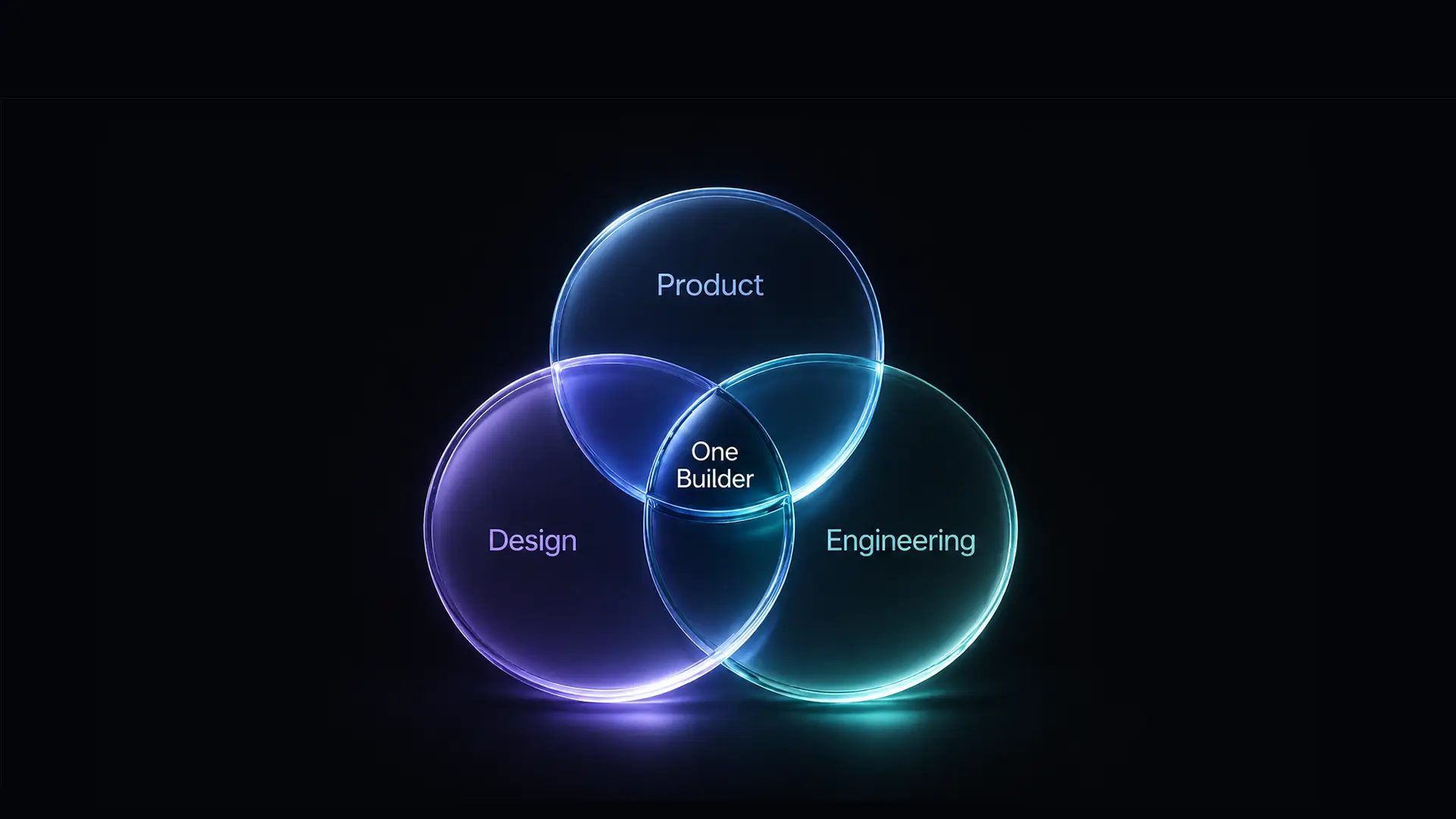
I move fast here because I translate across the entire system.
- Product intent into interaction design
- Engineering constraints into usable patterns
- Compliance requirements into calm UI
- AI capability into human-governed workflows
At Norhart, we built a $70M SEC-registered investment platform inside a $200M organization, where every screen had to survive regulatory scrutiny. At Aiwyn, we took Taxa from prototype to production in five months, and that trust foundation helped enable $113M in funding. In both, confidence was not a feature we added. It was the constraint we designed around.
The result is always the same.
The product stops feeling like software. It starts feeling like infrastructure.
Infrastructure is the highest compliment a regulated user can give. It means they stopped thinking about your product and started relying on it. That is the threshold where trust becomes the product, and the product becomes the moat.
See this philosophy in action: Taxa case study and Norhart investment platform.
Related reading: Design Is the Fastest Way to Build Trust, Human-in-the-Loop Is Not Enough, and AI Governance Is a Competitive Advantage.
Frequently asked questions
What do users in regulated workflows actually want from a product?
Certainty, not delight. Certainty the number is right, the decision is defensible, and the system will not betray them when stakes are high. In high-stakes work the user is accountable and signs their name to the output. As AI accelerates, trust becomes the interface: the lived feeling a powerful system is safe.
What three things build trust in an AI product?
Trust is built from three things. Clarity, where the user always knows what is happening. Control, where the user can intervene at the moment it matters. Proof, where the system can explain itself after the fact. Miss any one and adoption turns into hesitation, and hesitation turns into churn.
Why do product teams fail at building user confidence?
They treat trust as a layer. They ship complexity, then try to polish confidence into it. But confidence is not polish, it is architecture. It is decided early in how permissions work, how data flows, how errors are prevented rather than explained, and how AI is constrained rather than celebrated. You cannot retrofit it.